How That First Injury Can Change You Forever

Why injuries keep coming back after the first one. Learn how tissue capacity, compensation, and the therapeutic gap lead to recurrent injury.

Past Your Prime Podcast – Episode 47

Listen on:
Spotify | Apple | Youtube

Recurrent injuries rarely happen by accident.

Most people assume the second (or third) injury is just bad luck—or that they “did something wrong.” In reality, the first injury quietly changes the system in ways that make future flare-ups more likely, even when pain fully resolves.

In this episode of Past Your Prime, we break down what actually changes after the first injury—and why ignoring those changes leads to a growing list of triggers, avoided exercises, and repeat setbacks.


What We Cover in This Episode

  • What happens to your body after the first injury, even when symptoms go away
  • How kinetic chain compensation shifts load instead of solving the problem
  • How Tissue Capacity collapses and why tolerance shrinks over time
  • Why your list of painful or “off-limits” exercises keeps growing
  • The therapeutic gap between feeling better and being restored
  • Why time off often makes recurrence more likely
  • How to break the injury doom loop and rebuild capacity the right way

Key Takeaways From the Episode

“The first injury is the most important injury you ever have—because it changes the system.”

“Physical capacity comes back faster than tissue capacity, and that mismatch is where people get hurt again.”

“If your list of exercises you ‘can’t do anymore’ keeps growing, that’s not bad luck—that’s a shrinking margin for error.”

“Time off feels like it helps, but it often lowers tissue tolerance and sets you up for the next flare-up.”

“Feeling better is not the same thing as being restored. That gap is where recurrent injury lives.”


Why This Matters

If you’ve ever:

  • Felt “good enough” to return to training… only to flare up again
  • Developed new pain after a seemingly unrelated injury
  • Slowly removed more exercises from your routine over time

This episode explains why that pattern happens—and why symptom relief alone is rarely enough to stop it.

Recurrent injury is not a motivation problem or a willpower issue. It’s usually a capacity and system problem that never got fully addressed after the first setback.
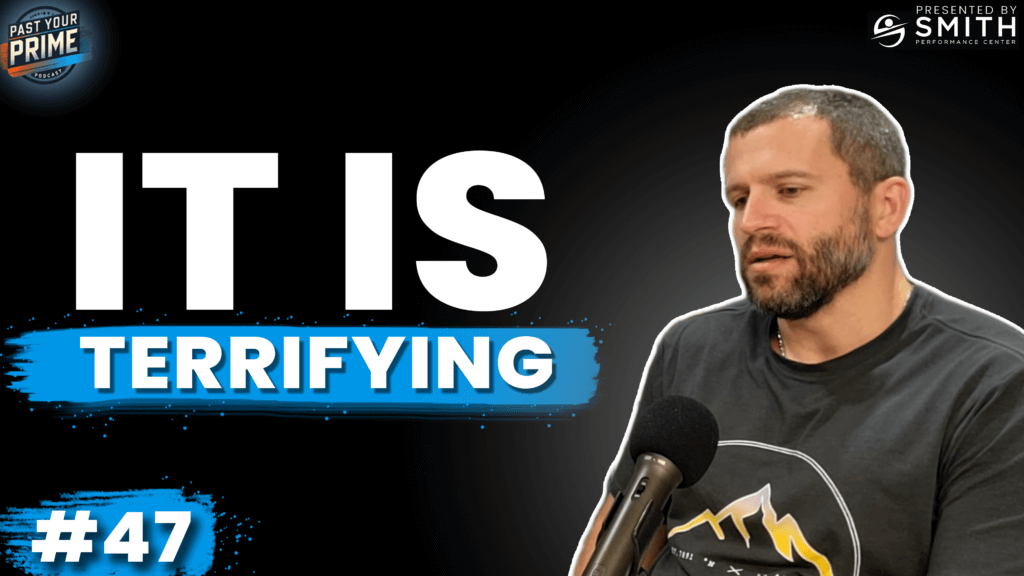
why injuries keep coming back after the first injury

🎙️ About Past Your Prime

Past Your Prime is the podcast for active adults balancing training, rehab, family, and real life.

Hosted by Craig Smith (PT & SPC Founder) and Alex Keicher (professional athlete and working dad) and presented by Smith Performance Center.

Listen & follow:
Spotify | Apple | Youtube

Related Posts

Explanation of muscle tightness and why stretching may not solve stiffness

The Myth of “Muscle Tightness” And What Actually Is

Past Your Prime Podcast – Episode 53 Listen on:Spotify | Apple | Youtube “Tightness” is one of the most common complaints people describe after pain or injury. But tightness is a description, not a diagnosis. When someone is thinking about tightness vs stretching, there is an assumption that symptoms of tightness mean you need to stretch. In this episode of Past Your Prime, Craig and Alex discuss why the term “tightness” often causes confusion and why stretching is not always the solution people think it is. Using examples like hamstring tightness, the conversation breaks down what may actually be happening in the body. Instead of assuming muscles are simply short or inflexible, this episode explores the different systems that influence mobility and movement. Topics include: If you have ever felt stiff, tight, or restricted and wondered what your body is actually telling you, this episode explains why stretching alone often misses the real problem.

Read More »
Explanation of muscle tightness and why stretching may not solve stiffness

The Myth of “Muscle Tightness” And What Actually Is

Past Your Prime Podcast – Episode 53 Listen on:Spotify | Apple | Youtube “Tightness” is one of the most common complaints people describe after pain or injury. But tightness is a description, not a diagnosis. When someone is thinking about tightness vs stretching, there is an assumption that symptoms of tightness mean you need to stretch. In this episode of Past Your Prime, Craig and Alex discuss why the term “tightness” often causes confusion and why stretching is not always the solution people think it is. Using examples like hamstring tightness, the conversation breaks down what may actually be happening in the body. Instead of assuming muscles are simply short or inflexible, this episode explores the different systems that influence mobility and movement. Topics include: If you have ever felt stiff, tight, or restricted and wondered what your body is actually telling you, this episode explains why stretching alone often misses the real problem.

Read More »