Partner Cervical Traction

Related Posts

Steps To Develop A Diagnosis In Physical Therapy

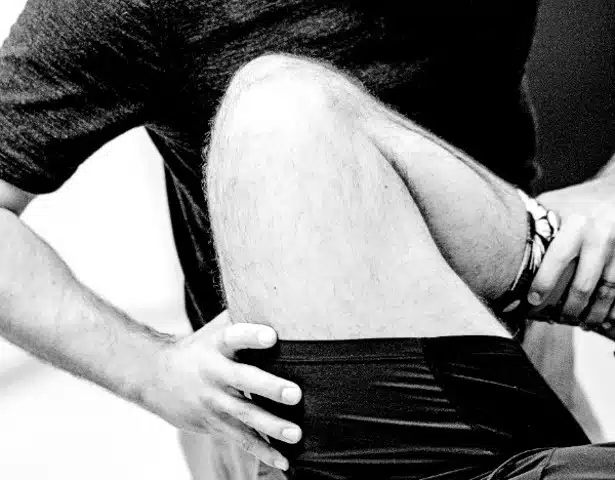
“My butt hurts.” A significant proportion of my conversations start with this statement. She continued, “ I have regular active release along with dry needling. I stretch my hamstring ALL THE TIME and I still have pain.” Her frustration was palpable. “I know I have a tight hamstring and there is scar tissue.  But it’s been 8 months.” She assumes the pain must be the hamstring; we call this the pain generator.  The hamstring tendon attaches right where her pain starts. The tightness is over the hamstring muscle belly.  She describes the pain in a clear way that implicates the hamstring.   She made a convincing argument that the hamstring is the issue and the diagnosis has been repeated by multiple medical providers including a physician and two physical therapists. The location matched.  Running increased the pain. Another match. Stretching and manual therapy provided temporary relief. But 8 months into the

Read More »
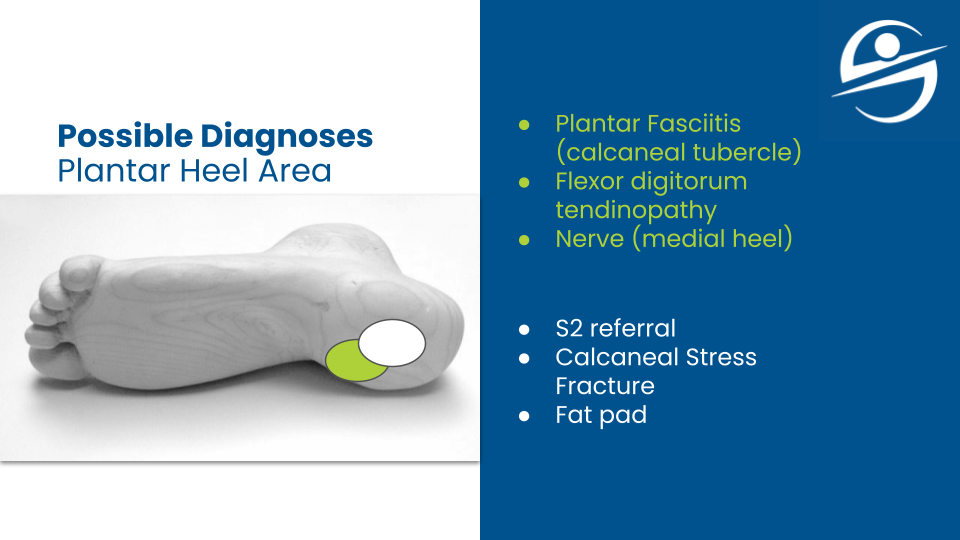
diagram showing heel pain in Tucson caused by different structures in the foot including the plantar fascia and flexor digitorum brevis

7 Signs Your Heel Pain Isn’t Plantar Fasciitis (and What’s Really Causing It)

If you’re dealing with heel pain in Tucson that hasn’t improved despite treatment for plantar fasciitis, you’re not alone. At Smith Performance Center, we often see people who’ve tried injections, stretching, shoe inserts, and ice bottles—yet their heel still hurts. In many of these cases, the real problem isn’t the plantar fascia at all, but a muscle on the bottom of the foot called the flexor digitorum brevis. You wake up, swing your legs to the edge of the bed, and… hesitate. You know this is going to hurt. The good foot moves to the ground first—you learned from that mistake a month ago. You brace and put down the other foot, the ungrateful one that will not get better despite the trip to the podiatrist, the injection, physical therapy, the shoe inserts, the ice bottle massage, and the stretching exercises. The foot touches down. It’s not so bad, you

Read More »
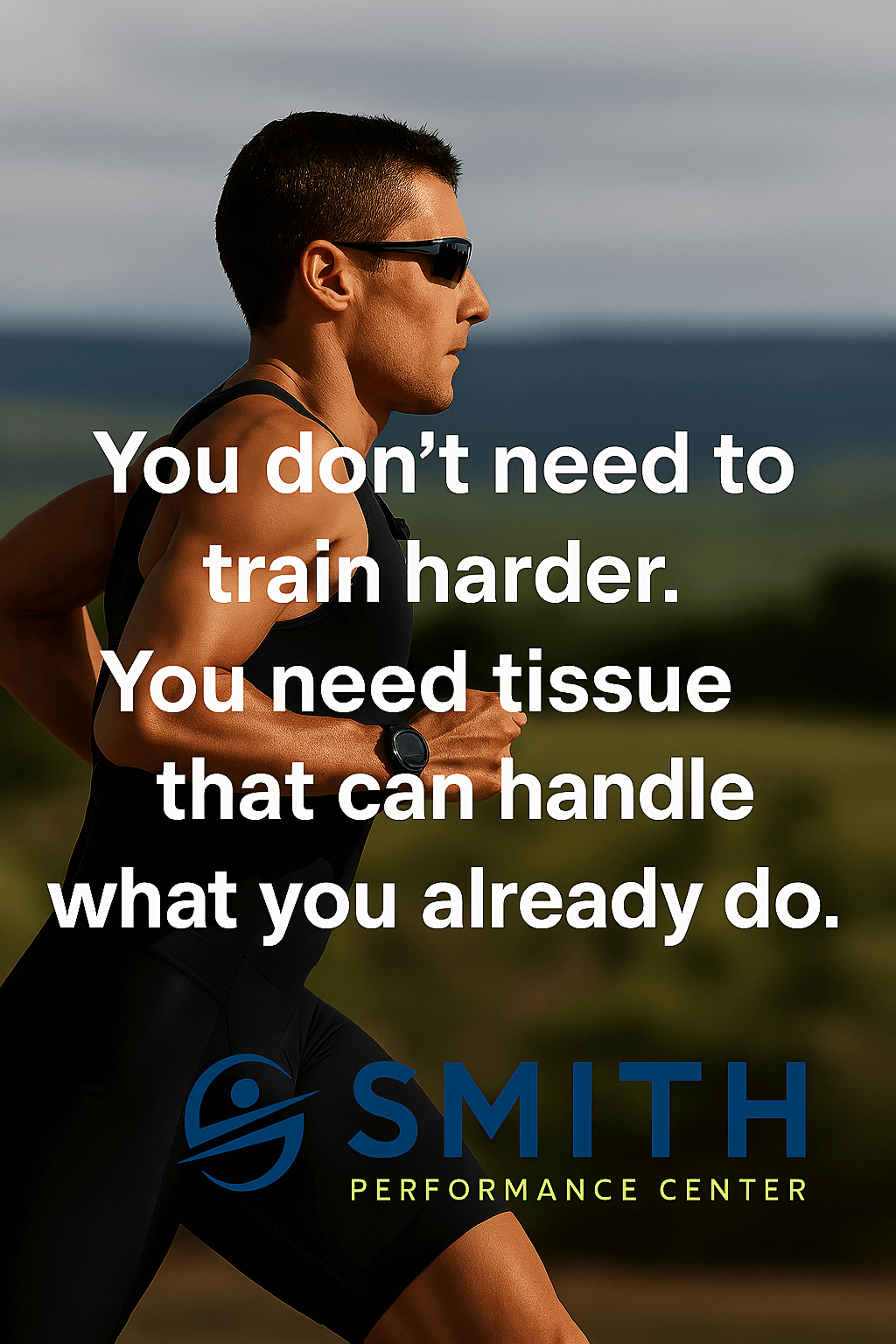
Male triathlete running outdoors with overlaid quote emphasizing tissue capacity over training volume, alongside the Smith Performance Center logo.

Triathlon Injury Rehab: How SPC Phases Prevent Setbacks

Recurring injuries derailed Alex’s triathlon training for years—until he adopted a structured, phase-based rehab approach. This case study shows how the Smith Performance Center Phase System helped him move from chronic pain to consistent performance by focusing on what most athletes overlook: building tissue capacity to match training demands.

Read More »

Steps To Develop A Diagnosis In Physical Therapy

“My butt hurts.” A significant proportion of my conversations start with this statement. She continued, “ I have regular active release along with dry needling. I stretch my hamstring ALL THE TIME and I still have pain.” Her frustration was palpable. “I know I have a tight hamstring and there is scar tissue.  But it’s been 8 months.” She assumes the pain must be the hamstring; we call this the pain generator.  The hamstring tendon attaches right where her pain starts. The tightness is over the hamstring muscle belly.  She describes the pain in a clear way that implicates the hamstring.   She made a convincing argument that the hamstring is the issue and the diagnosis has been repeated by multiple medical providers including a physician and two physical therapists. The location matched.  Running increased the pain. Another match. Stretching and manual therapy provided temporary relief. But 8 months into the

Read More »
diagram showing heel pain in Tucson caused by different structures in the foot including the plantar fascia and flexor digitorum brevis

7 Signs Your Heel Pain Isn’t Plantar Fasciitis (and What’s Really Causing It)

If you’re dealing with heel pain in Tucson that hasn’t improved despite treatment for plantar fasciitis, you’re not alone. At Smith Performance Center, we often see people who’ve tried injections, stretching, shoe inserts, and ice bottles—yet their heel still hurts. In many of these cases, the real problem isn’t the plantar fascia at all, but a muscle on the bottom of the foot called the flexor digitorum brevis. You wake up, swing your legs to the edge of the bed, and… hesitate. You know this is going to hurt. The good foot moves to the ground first—you learned from that mistake a month ago. You brace and put down the other foot, the ungrateful one that will not get better despite the trip to the podiatrist, the injection, physical therapy, the shoe inserts, the ice bottle massage, and the stretching exercises. The foot touches down. It’s not so bad, you

Read More »
Male triathlete running outdoors with overlaid quote emphasizing tissue capacity over training volume, alongside the Smith Performance Center logo.

Triathlon Injury Rehab: How SPC Phases Prevent Setbacks

Recurring injuries derailed Alex’s triathlon training for years—until he adopted a structured, phase-based rehab approach. This case study shows how the Smith Performance Center Phase System helped him move from chronic pain to consistent performance by focusing on what most athletes overlook: building tissue capacity to match training demands.

Read More »