Physical Therapy Exercises

At Smith Performance Center, physical therapy exercises are used to maximize healing, build resiliency, reduce pain, and correct abnormal motor patterns. We do not use an endless array of exercises that would take an hour or two every day.  We understand more than one to two exercises mean compliance, and performance plummets.

Our team wanted to put up common exercises we use to help you remember the form.  We have it broken up by body part and there is some cross-over, so you may see the same exercise in a few different categories.

Let us know if you have any questions.

Spine

Chin Tuck Exercise


Isometric Activation Exercise


Self Massage for the Upper Trap


Self Massage for Posterior Shoulder


Suitcase Carry


Upper Extremity

T Exercise


Y Prone Exercise


Serratus Plank


Lower Extremity

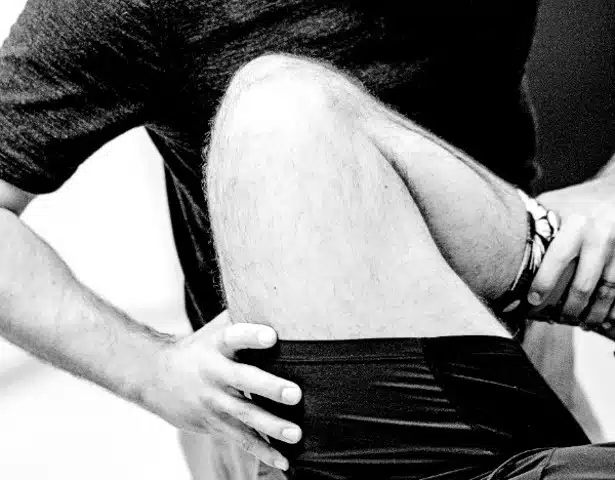
Clamshell Exercise


Posterior Tibialis Exercise


Related Posts

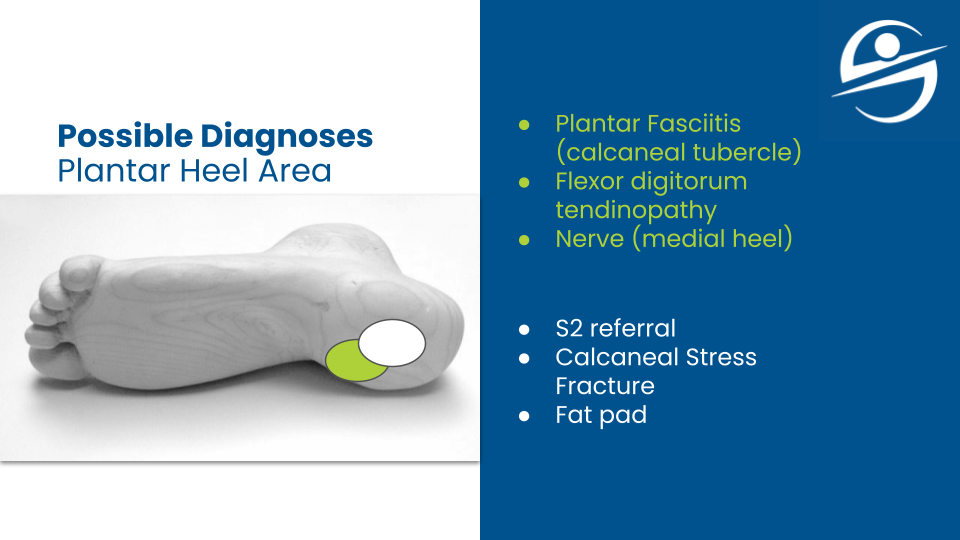
diagram showing heel pain in Tucson caused by different structures in the foot including the plantar fascia and flexor digitorum brevis

Flexor Digitorum Brevis Pain: 7 Signs Your Heel Pain Isn’t Plantar Fasciitis

Many cases of heel pain diagnosed as plantar fasciitis may actually involve other structures in the foot, especially the flexor digitorum brevis muscle on the bottom of the foot. The article outlines seven key signs that point toward flexor digitorum brevis involvement, including cramping, pain with toe flexion, changes in walking pattern, and worsening symptoms after activity. It emphasizes that proper diagnosis matters because different tissues respond to different treatments, and persistent heel pain often requires a more detailed evaluation than simply labeling it plantar fasciitis.

Read More »

What are the 3 major issues in physical therapy and exercise?

Physical therapy quality is highly inconsistent between clinicians, clinics, and companies. Numerous factors play into these discrepancies, including clinical process, management structure, payment models, clinician-patient time, use of assistants, patient load, clinician training, and business models. These issues often culminate in underwhelming rehabilitation outcomes for clients. When embarking on a rehab journey, most patients don’t anticipate these issues. As Sarah Smith, PT, DPT, and co-founder of Smith Performance Center, observes: “Many patients don’t know where to start their rehab journey, and physical therapy is often not their first choice.” Choosing a clinic that treats 25 patients daily with heavy use of assistants is vastly different from one that sees six patients daily with dedicated one-on-one time. Blending the art and the science of physical therapy requires more than most patients realize. From our experience, three key areas drive these differences: Process, Patient-Provider Relationship, and Clinical Skill. Clinics that avoid assistant

Read More »

Steps To Develop A Diagnosis In Physical Therapy

“My butt hurts.” A significant proportion of my conversations start with this statement. She continued, “ I have regular active release along with dry needling. I stretch my hamstring ALL THE TIME and I still have pain.” Her frustration was palpable. “I know I have a tight hamstring and there is scar tissue.  But it’s been 8 months.” She assumes the pain must be the hamstring; we call this the pain generator.  The hamstring tendon attaches right where her pain starts. The tightness is over the hamstring muscle belly.  She describes the pain in a clear way that implicates the hamstring.   She made a convincing argument that the hamstring is the issue and the diagnosis has been repeated by multiple medical providers including a physician and two physical therapists. The location matched.  Running increased the pain. Another match. Stretching and manual therapy provided temporary relief. But 8 months into the

Read More »
diagram showing heel pain in Tucson caused by different structures in the foot including the plantar fascia and flexor digitorum brevis

Flexor Digitorum Brevis Pain: 7 Signs Your Heel Pain Isn’t Plantar Fasciitis

Many cases of heel pain diagnosed as plantar fasciitis may actually involve other structures in the foot, especially the flexor digitorum brevis muscle on the bottom of the foot. The article outlines seven key signs that point toward flexor digitorum brevis involvement, including cramping, pain with toe flexion, changes in walking pattern, and worsening symptoms after activity. It emphasizes that proper diagnosis matters because different tissues respond to different treatments, and persistent heel pain often requires a more detailed evaluation than simply labeling it plantar fasciitis.

Read More »

What are the 3 major issues in physical therapy and exercise?

Physical therapy quality is highly inconsistent between clinicians, clinics, and companies. Numerous factors play into these discrepancies, including clinical process, management structure, payment models, clinician-patient time, use of assistants, patient load, clinician training, and business models. These issues often culminate in underwhelming rehabilitation outcomes for clients. When embarking on a rehab journey, most patients don’t anticipate these issues. As Sarah Smith, PT, DPT, and co-founder of Smith Performance Center, observes: “Many patients don’t know where to start their rehab journey, and physical therapy is often not their first choice.” Choosing a clinic that treats 25 patients daily with heavy use of assistants is vastly different from one that sees six patients daily with dedicated one-on-one time. Blending the art and the science of physical therapy requires more than most patients realize. From our experience, three key areas drive these differences: Process, Patient-Provider Relationship, and Clinical Skill. Clinics that avoid assistant

Read More »

Steps To Develop A Diagnosis In Physical Therapy

“My butt hurts.” A significant proportion of my conversations start with this statement. She continued, “ I have regular active release along with dry needling. I stretch my hamstring ALL THE TIME and I still have pain.” Her frustration was palpable. “I know I have a tight hamstring and there is scar tissue.  But it’s been 8 months.” She assumes the pain must be the hamstring; we call this the pain generator.  The hamstring tendon attaches right where her pain starts. The tightness is over the hamstring muscle belly.  She describes the pain in a clear way that implicates the hamstring.   She made a convincing argument that the hamstring is the issue and the diagnosis has been repeated by multiple medical providers including a physician and two physical therapists. The location matched.  Running increased the pain. Another match. Stretching and manual therapy provided temporary relief. But 8 months into the

Read More »