
Posterior Tibialis Exercise

Related Posts

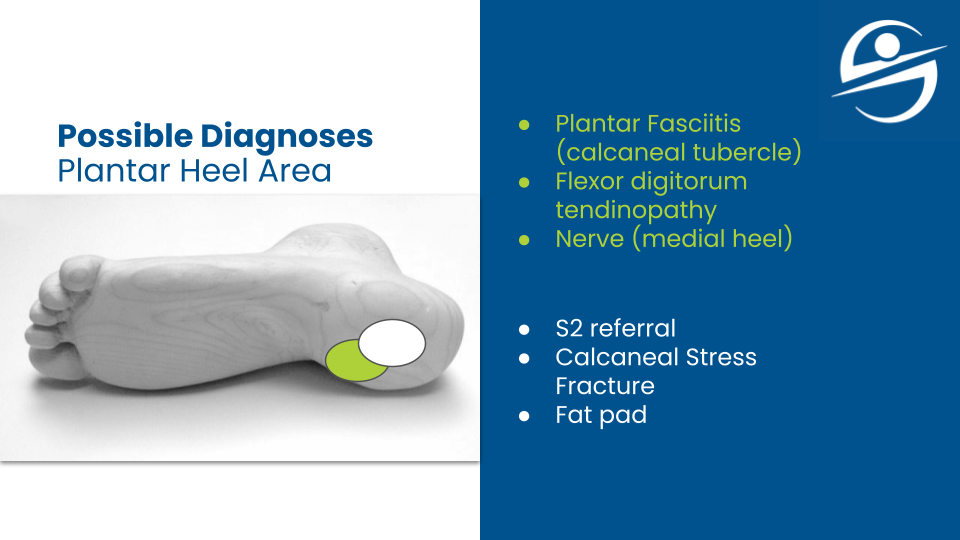
diagram showing heel pain in Tucson caused by different structures in the foot including the plantar fascia and flexor digitorum brevis

7 Signs Your Heel Pain Isn’t Plantar Fasciitis (and What’s Really Causing It)

If you’re dealing with heel pain in Tucson that hasn’t improved despite treatment for plantar fasciitis, you’re not alone. At Smith Performance Center, we often see people who’ve tried injections, stretching, shoe inserts, and ice bottles—yet their heel still hurts. In many of these cases, the real problem isn’t the plantar fascia at all, but a muscle on the bottom of the foot called the flexor digitorum brevis. You wake up, swing your legs to the edge of the bed, and… hesitate. You know this is going to hurt. The good foot moves to the ground first—you learned from that mistake a month ago. You brace and put down the other foot, the ungrateful one that will not get better despite the trip to the podiatrist, the injection, physical therapy, the shoe inserts, the ice bottle massage, and the stretching exercises. The foot touches down. It’s not so bad, you
Read More »

When and Where You Feel Foot Pain During Walking Is Key for Diagnosis

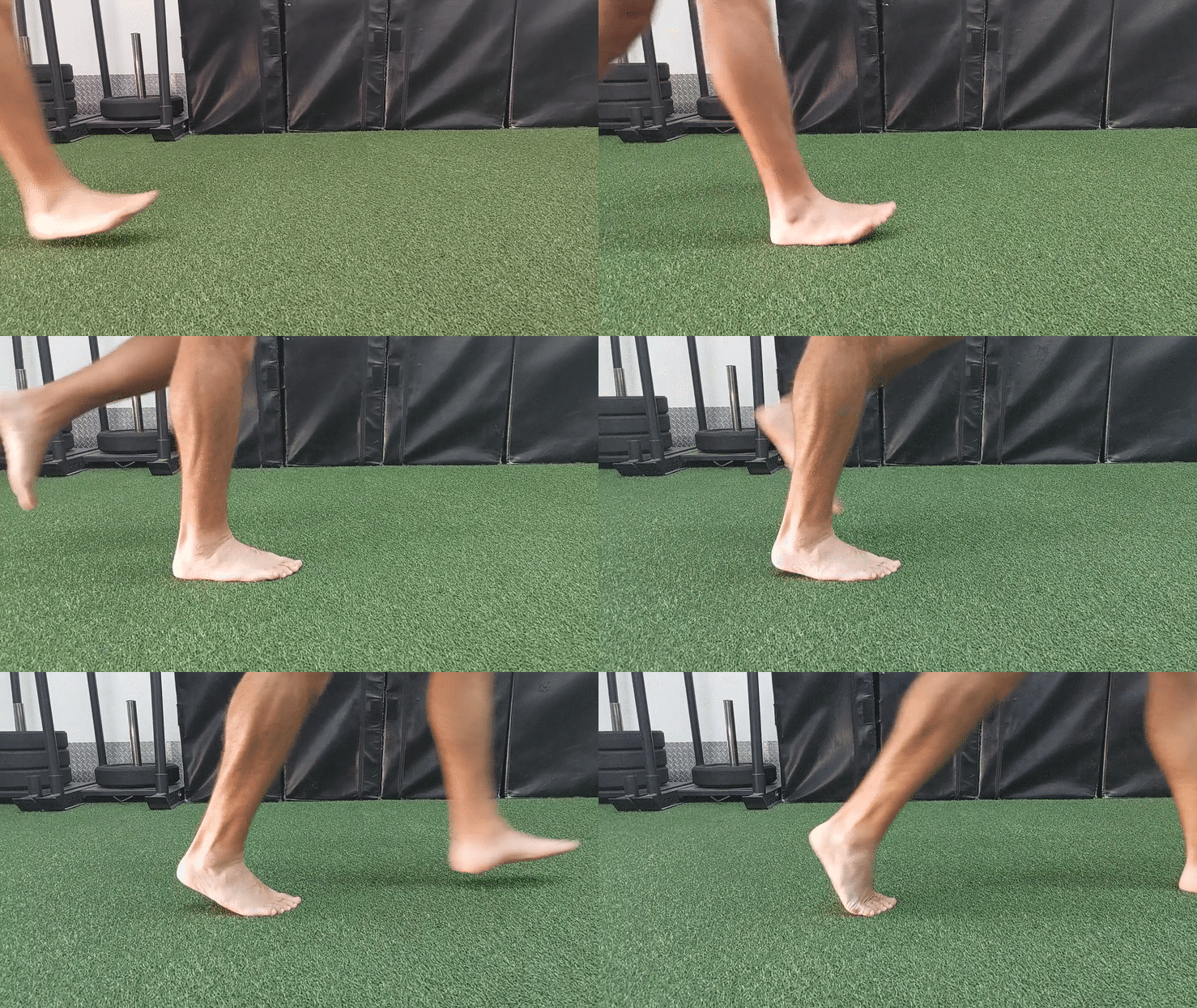
Why the Phase of Pain Matters Foot pain while walking is one of the most common reasons people seek physical therapy. Understanding when and where it hurts can reveal the true cause. Its actually diagnostic. (If you want to read more about how we think about diagnostics, read How to Find the Real Cause of Pain: Our 4-Pillar Diagnosis Process). This means we can figure out the pain generator. That is a large list. It can be the fat pad, your fascia (the most common, incorrect diagnosis), plantar intrinsics (muscles on the bottom of the foot which is primarily the flexor digitorum brevis, abductor hallucis, and abductor digiti minimi), the flexor hallucis longus, the tibial nerve, the medial or lateral plantar nerve, the calcaneus, the talus, the bones of the midfoot and forefoot, the foot and ankle joints, ligaments, the hallux (big toe), or the little toes. It does not

Read More »
A person in a teal shirt holds a clipboard and pen, representing a physical therapy session. Overlaid text reads: "Why your physical therapy home exercise program is not working (And What to Do About It)."

Why Your Physical Therapy Home Exercise Program Isn’t Working

Not all physical therapy home exercise programs are created equal. But the reason why your physical therapy home exercise program is not working is likely due to more than one reason. Your home plan should guide your recovery with clear, effective exercises tailored to your needs, but your therapist might be overwhelmed with clients, relying too much on assistants, or emphasizing passive treatments instead of empowering you with actionable strategies. Whatever the cause, a poorly designed home plan can stall your progress—or even make your symptoms worse. We see each of these situations when reviewing the histories of new clients with long-term injuries. The home plan is a critical component of your rehab plan in physical therapy. Our team regularly helps new clients who have been doing the same home plan from physical therapy for years which is not helping. This includes obvious mistakes like stretching an irritated nerve, overloading

Read More »
diagram showing heel pain in Tucson caused by different structures in the foot including the plantar fascia and flexor digitorum brevis

7 Signs Your Heel Pain Isn’t Plantar Fasciitis (and What’s Really Causing It)

If you’re dealing with heel pain in Tucson that hasn’t improved despite treatment for plantar fasciitis, you’re not alone. At Smith Performance Center, we often see people who’ve tried injections, stretching, shoe inserts, and ice bottles—yet their heel still hurts. In many of these cases, the real problem isn’t the plantar fascia at all, but a muscle on the bottom of the foot called the flexor digitorum brevis. You wake up, swing your legs to the edge of the bed, and… hesitate. You know this is going to hurt. The good foot moves to the ground first—you learned from that mistake a month ago. You brace and put down the other foot, the ungrateful one that will not get better despite the trip to the podiatrist, the injection, physical therapy, the shoe inserts, the ice bottle massage, and the stretching exercises. The foot touches down. It’s not so bad, you

Read More »

When and Where You Feel Foot Pain During Walking Is Key for Diagnosis

Why the Phase of Pain Matters Foot pain while walking is one of the most common reasons people seek physical therapy. Understanding when and where it hurts can reveal the true cause. Its actually diagnostic. (If you want to read more about how we think about diagnostics, read How to Find the Real Cause of Pain: Our 4-Pillar Diagnosis Process). This means we can figure out the pain generator. That is a large list. It can be the fat pad, your fascia (the most common, incorrect diagnosis), plantar intrinsics (muscles on the bottom of the foot which is primarily the flexor digitorum brevis, abductor hallucis, and abductor digiti minimi), the flexor hallucis longus, the tibial nerve, the medial or lateral plantar nerve, the calcaneus, the talus, the bones of the midfoot and forefoot, the foot and ankle joints, ligaments, the hallux (big toe), or the little toes. It does not

Read More »
A person in a teal shirt holds a clipboard and pen, representing a physical therapy session. Overlaid text reads: "Why your physical therapy home exercise program is not working (And What to Do About It)."

Why Your Physical Therapy Home Exercise Program Isn’t Working

Not all physical therapy home exercise programs are created equal. But the reason why your physical therapy home exercise program is not working is likely due to more than one reason. Your home plan should guide your recovery with clear, effective exercises tailored to your needs, but your therapist might be overwhelmed with clients, relying too much on assistants, or emphasizing passive treatments instead of empowering you with actionable strategies. Whatever the cause, a poorly designed home plan can stall your progress—or even make your symptoms worse. We see each of these situations when reviewing the histories of new clients with long-term injuries. The home plan is a critical component of your rehab plan in physical therapy. Our team regularly helps new clients who have been doing the same home plan from physical therapy for years which is not helping. This includes obvious mistakes like stretching an irritated nerve, overloading

Read More »