
Welcome to the

SPC Archives

Find related articles and learn more about our process at SPC.

Search

Tag: gait

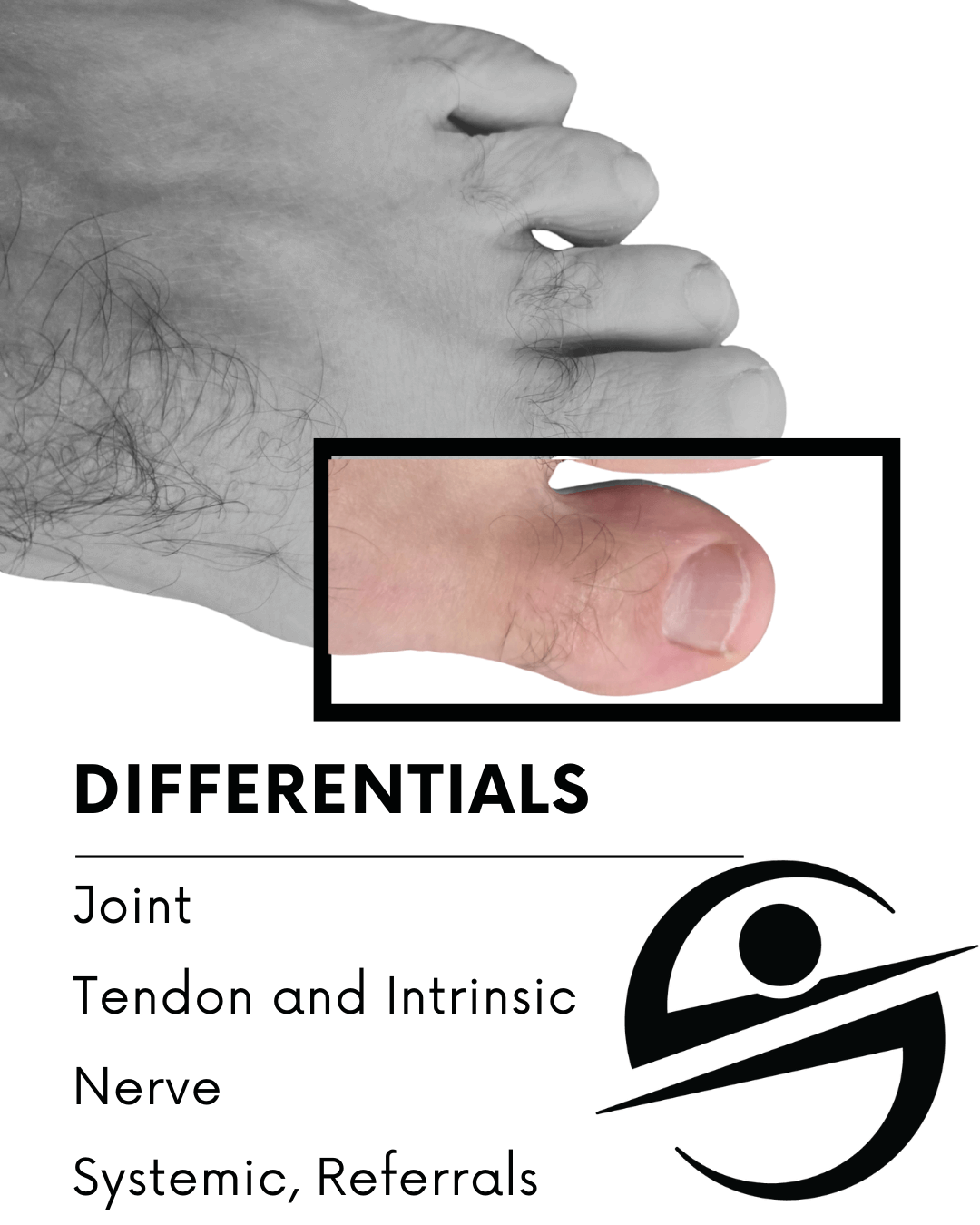
Close-up of a foot highlighting the big toe with a labeled list of differentials: joint, tendon and intrinsic, nerve, and systemic or referrals — representing possible causes of big toe pain.

Why Big Toe Pain Keeps Coming Back (and Why It’s So Hard to Fix)

Case Study: The Dancer With Recurrent Big Toe Pain A former college dancer came into the clinic frustrated. She’d stopped dancing years ago, but every time she returned to even basic classes, her big-toe pain spiked. She tolerated hiking in her stiff boots, a little pain but nothing that stopped her — yet one night of dancing, and she’d hobble for a week with a throbbing big toe. Her frustration was visible, and the best advice she’d heard—stop dancing—wasn’t one she wanted to follow. Her last visit with a podiatrist ended with an injection that helped for about a week before the pain returned. She started to believe her big toe would never handle the way she moved in college.  There didn’t seem to be a path forward. Her experience—the fake improvement with time off, followed by a big flare when she tries to get back to what she loves—mirrors
Read More »

When and Where You Feel Foot Pain During Walking Is Key for Diagnosis

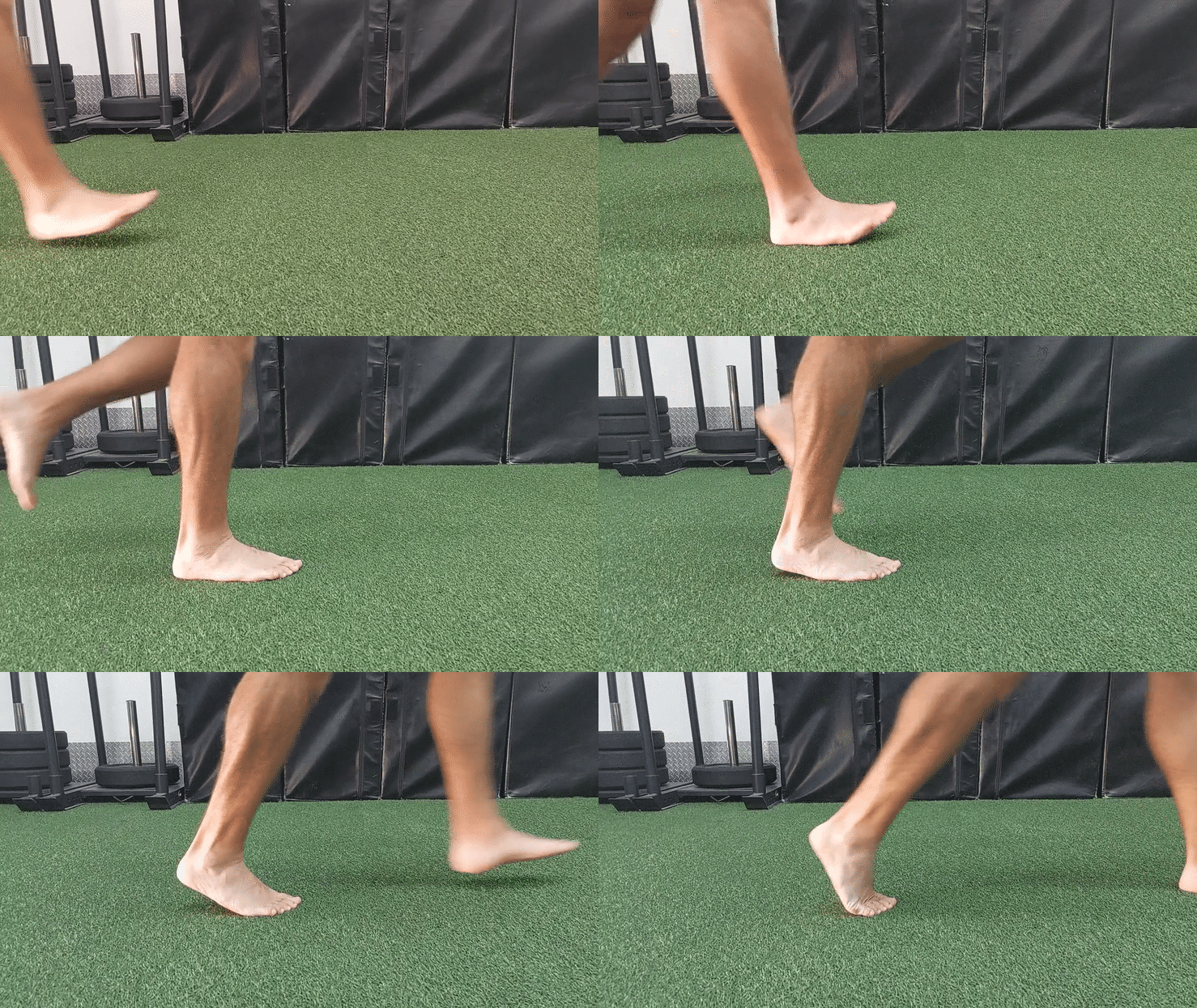
Why the Phase of Pain Matters Foot pain while walking is one of the most common reasons people seek physical therapy. Understanding when and where it hurts can reveal the true cause. Its actually diagnostic. (If you want to read more about how we think about diagnostics, read How to Find the Real Cause of Pain: Our 4-Pillar Diagnosis Process). This means we can figure out the pain generator. That is a large list. It can be the fat pad, your fascia (the most common, incorrect diagnosis), plantar intrinsics (muscles on the bottom of the foot which is primarily the flexor digitorum brevis, abductor hallucis, and abductor digiti minimi), the flexor hallucis longus, the tibial nerve, the medial or lateral plantar nerve, the calcaneus, the talus, the bones of the midfoot and forefoot, the foot and ankle joints, ligaments, the hallux (big toe), or the little toes. It does not

Read More »

5 Contributors To Your Running Form That You May Be Missing

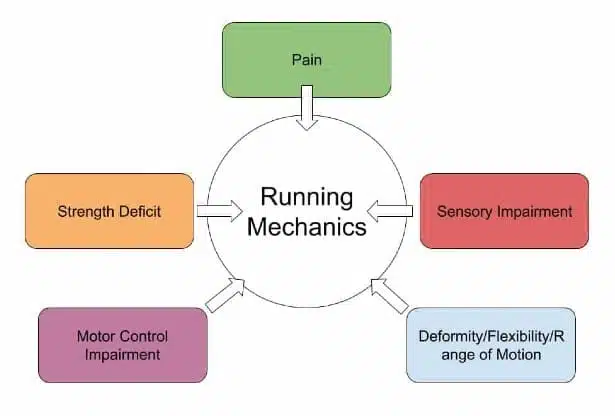
We perform running analyses every day. Viewing your running pattern lets us see you move from one phase of running to the next, from stance to float to swing. There is always something present that would fall out side of what others consider perfect form. Over striding may be present. You may appear to pronate too much.  You may be a heel or forefoot striker.  We may see that your knees hit together. But we do not start with a running analysis. The insights above may get you back to running. However, the truth is that analyzing running gait is not enough.  The how and why someone runs with their current pattern or why they keep having an injury cannot be determined by watching them run without checking out the other 5 contributors. Resolving it is not as simple as a switch to a midfoot or forefoot, which is the

Read More »