
How That First Injury Can Change You Forever
Why injuries keep coming back after the first one. Learn how tissue capacity, compensation, and the therapeutic gap lead to recurrent injury.

Why injuries keep coming back after the first one. Learn how tissue capacity, compensation, and the therapeutic gap lead to recurrent injury.
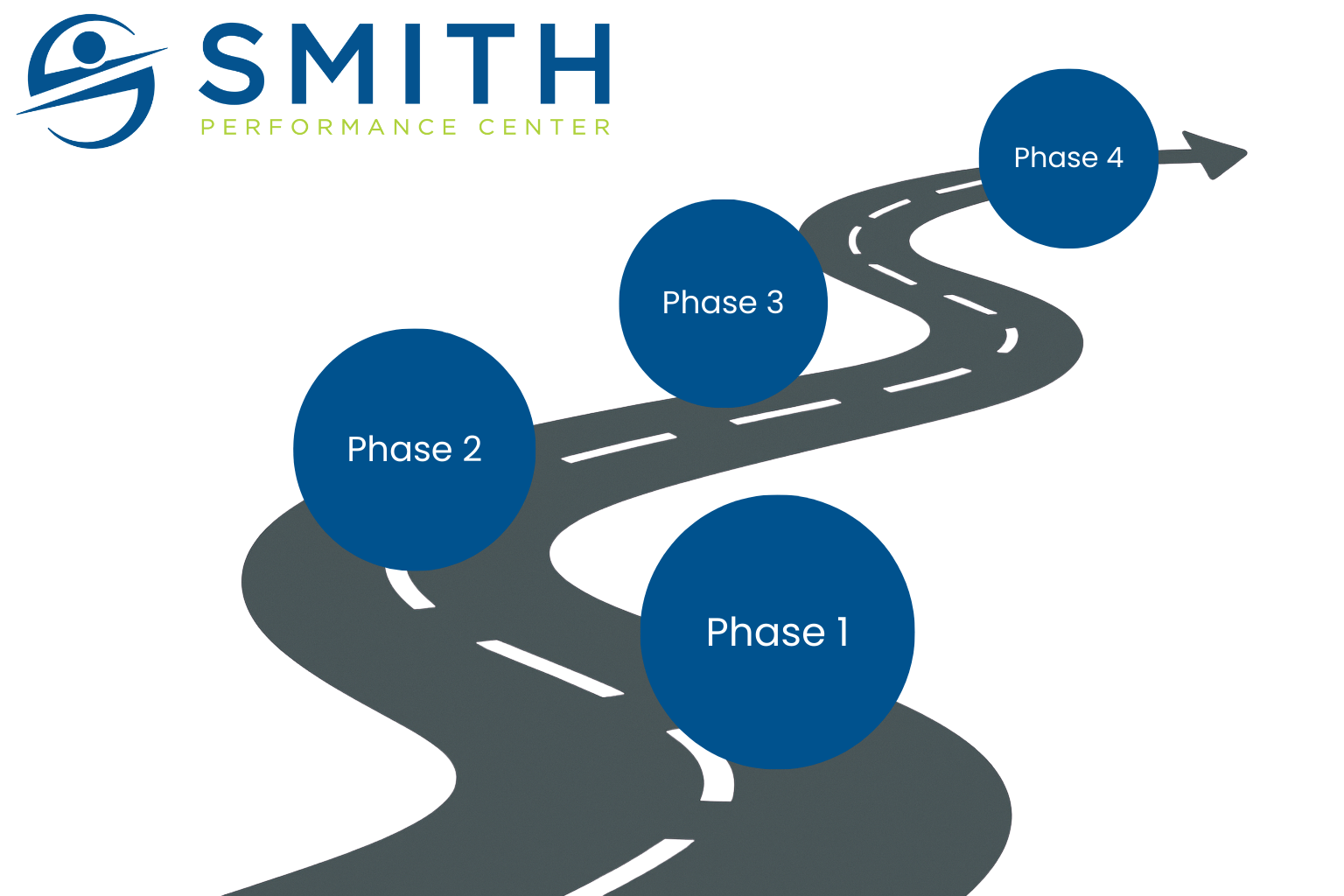
At Smith Performance Center, the home plan is a central feature of your rehabilitation experience. If you’ve worked with physical therapy in the past, you’ve probably been given a list of exercises to do on your own, most often called a ther-ex list or home exercise plan. Our approach is different. The purpose of your home plan isn’t just to give you something to do between visits — it’s to improve your tissue capacity and help you progress safely toward your goals. And the strategy often changes as you move from Phase 1, where we identify and outline what is causing your pain, to Phase 2, where you learn to manage your symptoms, to Phase 3, where we work to build your tissue capacity and progress your activity. Learn more about this process in our article “What are the phases at Smith Performance Center?“ Why the Home Plan Matters To
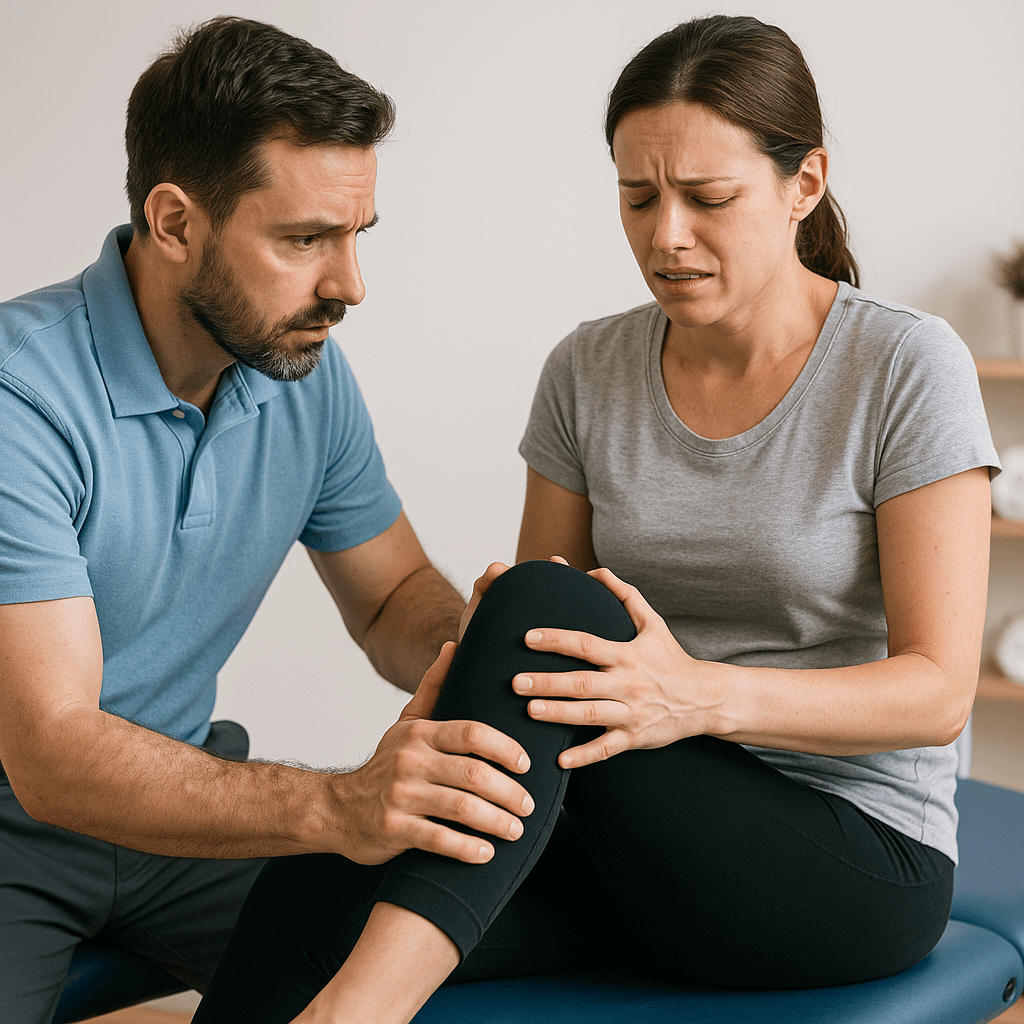
During recovery, there comes a pivotal moment when symptoms improve, and the client feels like they’ve turned a corner. Life feels good again, and naturally, activity levels increase. This change is often unconscious or unintentional—but its consequences can be significant. A rehabilitation flare-up is defined as a return or increase in the original symptoms that led the patient to seek care. The natural reaction to a flare-up is often to question whether the real problem is being addressed. Read: the diagnosis is wrong. But this reaction can lead to a critical misstep—focusing on the wrong issue and missing an opportunity for patient empowerment. Diagnostic Errors vs. Rehabilitation Flare-Up Mismanagement Achieving the correct diagnosis involves identifying potential tissue pain generators, noting local and regional contributors, considering central modulation, and uncovering triggers. This process requires careful collection, analysis, and prediction. And there can be many reasons that diagnosis is hard, but once

Recurring injuries derailed Alex’s triathlon training for years—until he adopted a structured, phase-based rehab approach. This case study shows how the Smith Performance Center Phase System helped him move from chronic pain to consistent performance by focusing on what most athletes overlook: building tissue capacity to match training demands.
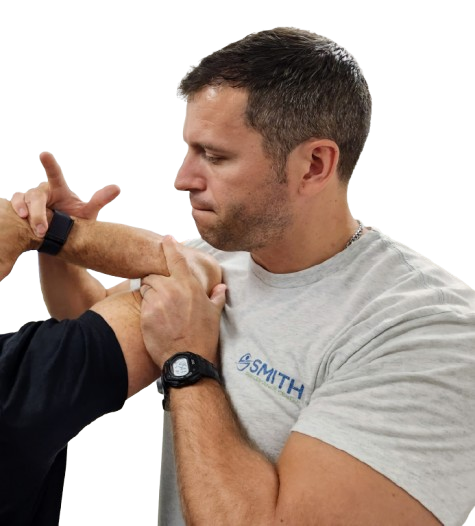
The Evolution of Thought Around Meniscus Injuries Clinical practice is filled with successes and failures. For some reason, failures tend to linger in memory the longest and often drive the biggest changes in how we approach patient care. A significant moment in my clinical career involved a meniscus tear, knee pain, and the need for surgery. One of the most impactful shifts in my approach to knee pain, particularly in cases involving meniscus tears, came from a repeated clinical pattern: patients improving, then regressing, over and over. This frustrating cycle forced me to rethink my process and align it with a more structured framework—one that incorporates the Smith Performance Center Phases. This helped me answer the question, “Does a meniscus tear require surgery, or can it be successfully rehabbed without going under the knife?” The Traditional View: Meniscus Surgery vs. Rehab For years, meniscus tears were considered a primary cause

Confidence is even more important than strength. People come in with doubt and fear of pain. If they don’t believe they can move safely, they won’t move at all. My job is to assess not just their movement, but also their psychological acceptance of movement. The best exercise is the one you can do, so we start small, monitor the response, and slowly build from there

When it comes to dizziness and balance issues, few areas of physical therapy are as fascinating and misunderstood as vestibular rehabilitation. Dr. Alex Griffis, PT, DPT, sheds light on common conditions like Benign Paroxysmal Positional Vertigo (BPPV) and the surprising role of vision and proprioception in maintaining balance. With techniques like habituation training, he helps patients regain control over their symptoms. If you’ve been struggling with unexplained falls or dizziness, discover how a multi-layered approach at Smith Performance Center can help you regain confidence and improve your quality of life.

A perfect time to build the exercise habit occurs when you overcome a painful injury. At Smith Performance Center (SPC), this happens during the “activity progression” phase after stabilizing symptoms. Unlike a standard exercise routine, activity progression focuses on managing and improving tissue capacity—your body’s ability to handle physical load without pain or injury. If these terms sound unfamiliar, don’t worry. The following signs indicate you may have skipped the fundamentals of activity progression: Why Delaying Exercise Is a Mistake Many individuals delay exercise until they feel completely better. However, this approach has drawbacks: Your Path at SPC At SPC, we’ve developed a clear plan to help you build fitness while overcoming an injury. Here’s how it works: 1. Your Home Plan: Manage Symptoms and Flare-Ups The biggest hurdle to starting exercise is handling symptom increases. If daily activities cause large spikes in pain, your exercise plan must be carefully
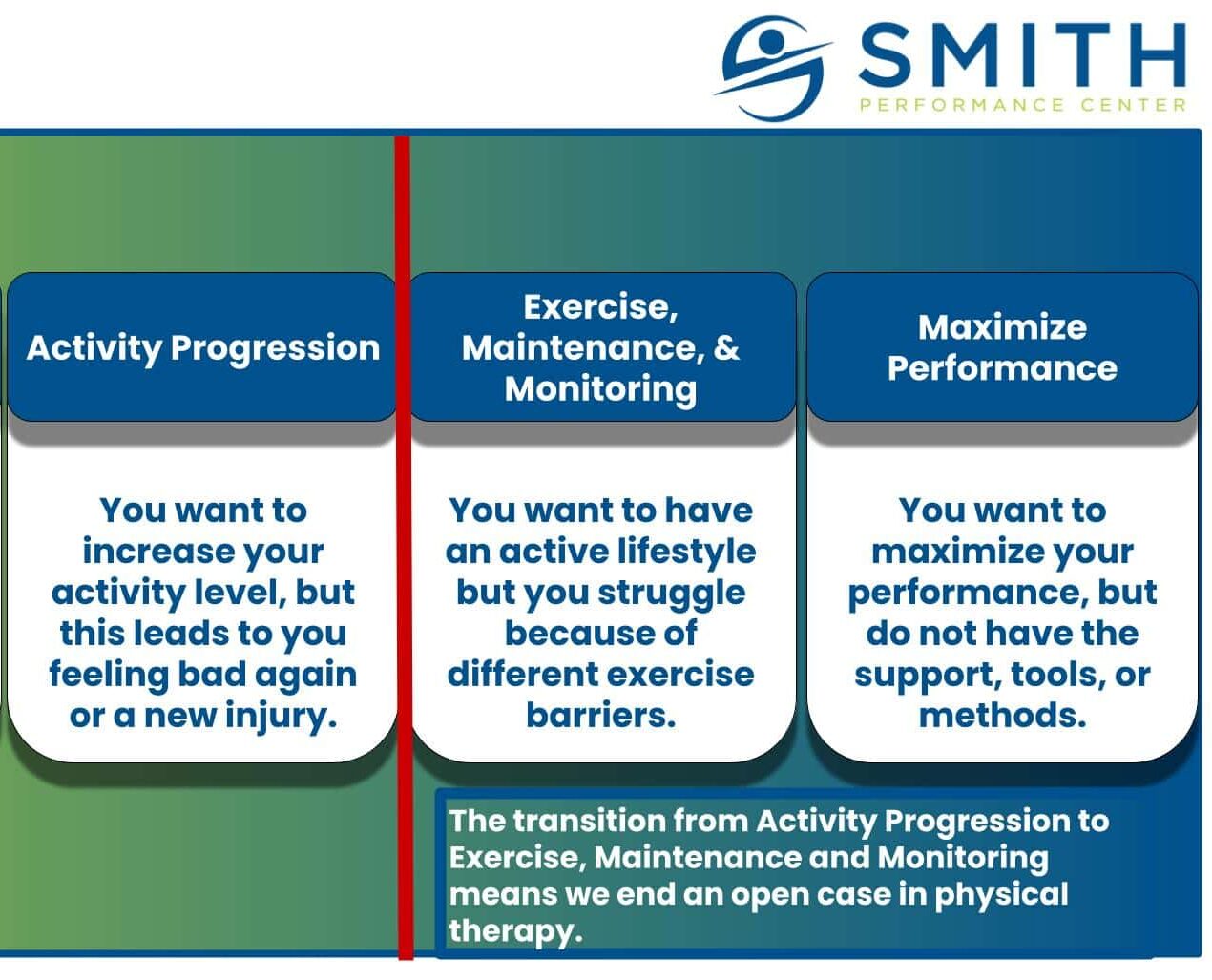
Welcome to the transition zone—phase 3 to phase 4—at Smith Performance Center. This shift marks an important move from rehabilitation to performance. We’re committed to ensuring that our community doesn’t get stuck in a permanent rehab mindset. The switch from rehab mode to peak performance mode can pose challenges, demanding careful consideration and expert guidance. Phase 3 is all about building up tissue capacity, gradually ramping up activity levels, and prioritizing overall well-being. It involves strengthening muscles, alleviating muscle inhibition, closely monitoring responses to increased activity, and addressing any lingering issues stemming from previous inactivity. Essentially, it’s about improving tissue capacity while laying down a solid foundation for what comes next. In contrast, phase 4 signifies a fresh chapter, with a focus on establishing a consistent exercise routine and raising the bar for performance standards. Our goal here isn’t just to ‘move’ but to instill a long-term commitment to fitness

Not all physical therapy home exercise programs are created equal. But the reason why your physical therapy home exercise program is not working is likely due to more than one reason. Your home plan should guide your recovery with clear, effective exercises tailored to your needs, but your therapist might be overwhelmed with clients, relying too much on assistants, or emphasizing passive treatments instead of empowering you with actionable strategies. Whatever the cause, a poorly designed home plan can stall your progress—or even make your symptoms worse. We see each of these situations when reviewing the histories of new clients with long-term injuries. The home plan is a critical component of your rehab plan in physical therapy. Our team regularly helps new clients who have been doing the same home plan from physical therapy for years which is not helping. This includes obvious mistakes like stretching an irritated nerve, overloading
