The Modified Low Dye

A physical therapy band-aid for foot pain during running

Running-related injuries are commonly seen for physical therapy at Smith Performance Center. Unlike some of the advice, you may hear, stopping can prolong the problem.  Rest does not automatically equal recovery or resolution of an injury.  A nice tool to consider learning is the modified low dye.  It can help to reduce foot and lower leg pain while allowing you to continue training.

Where is it from?

I learned about the modified low dye from Dr. Tom McPoil.  He is faculty at Regis University and was previously faculty at Northern Arizona.  He is an expert on the foot and wrote an article on tissue stress theory that still impacts my practice today.  The purpose of the modified low dye in a physical therapy program is to limit stresses to the tissue of the lower leg and foot to allow desensitization. In a running program it can also keep you safe for those longer runs if you have a history of breaking down.

  • Buy the tape from Amazon leukotape and coverall
  • Use a good pair of scissors
  • If you are doing it alone, cut the tape before starting
  • Put on the coverall (white tape) prior to the leukotape (brown tape)
  • Go light on the tension the first time
  • Wrap the tape around like a horseshoe
  • Lock the tape in place, but not too tight
  • If it is itchy or painful, take it off
Related Posts

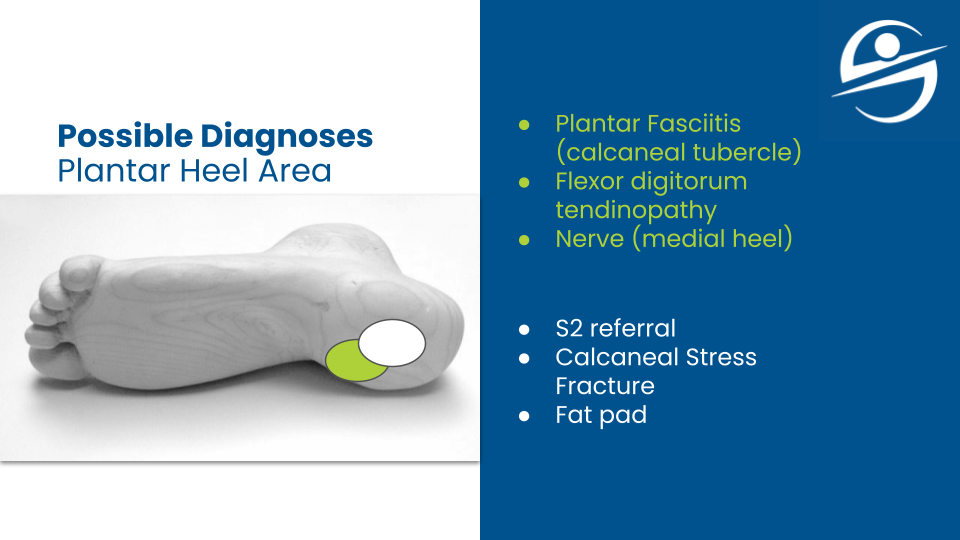
diagram showing heel pain in Tucson caused by different structures in the foot including the plantar fascia and flexor digitorum brevis

Flexor Digitorum Brevis Pain: 7 Signs Your Heel Pain Isn’t Plantar Fasciitis

If you’re dealing with heel pain in Tucson that hasn’t improved despite treatment for plantar fasciitis, you’re not alone. At Smith Performance Center, we often see people who’ve tried injections, stretching, shoe inserts, and ice bottles—yet their heel still hurts. In many of these cases, the real problem isn’t the plantar fascia at all, but a muscle on the bottom of the foot called the flexor digitorum brevis. You wake up, swing your legs to the edge of the bed, and… hesitate. You know this is going to hurt. The good foot moves to the ground first—you learned from that mistake a month ago. You brace and put down the other foot, the ungrateful one that will not get better despite the trip to the podiatrist, the injection, physical therapy, the shoe inserts, the ice bottle massage, and the stretching exercises. The foot touches down. It’s not so bad, you

Read More »

Steps To Develop A Diagnosis In Physical Therapy

“My butt hurts.” A significant proportion of my conversations start with this statement. She continued, “ I have regular active release along with dry needling. I stretch my hamstring ALL THE TIME and I still have pain.” Her frustration was palpable. “I know I have a tight hamstring and there is scar tissue.  But it’s been 8 months.” She assumes the pain must be the hamstring; we call this the pain generator.  The hamstring tendon attaches right where her pain starts. The tightness is over the hamstring muscle belly.  She describes the pain in a clear way that implicates the hamstring.   She made a convincing argument that the hamstring is the issue and the diagnosis has been repeated by multiple medical providers including a physician and two physical therapists. The location matched.  Running increased the pain. Another match. Stretching and manual therapy provided temporary relief. But 8 months into the

Read More »

4 Ways Individuals With Heel Pain Can Make Their Pain Go Away

Why is your heel pain not getting better? Heel pain is a common, painful foot condition leading internet searches for “cures to heel pain” or “treatments for plantar fasciitis.” The pain resolves with time if the cause of symptoms is removed, but up to 10% of individuals with heel pain do not get better. These chronic sufferers try everything to get rid of the pain including plantar fascia releases, injections, and pain medications. The causes of heel pain are numerous, ranging from plantar tendinopathies like the flexor digitorum brevis, nerve involvement with tarsal tunnel syndromes or lateral plantar nerve, low back referrals, and double crush syndrome to fat pad injuries. The answer is not more stretching and new orthotics. If you are stuck with heel pain and the typical treatment for plantar fasciitis is not making you feel better, then you likely have a different problem and require a different

Read More »
diagram showing heel pain in Tucson caused by different structures in the foot including the plantar fascia and flexor digitorum brevis

Flexor Digitorum Brevis Pain: 7 Signs Your Heel Pain Isn’t Plantar Fasciitis

If you’re dealing with heel pain in Tucson that hasn’t improved despite treatment for plantar fasciitis, you’re not alone. At Smith Performance Center, we often see people who’ve tried injections, stretching, shoe inserts, and ice bottles—yet their heel still hurts. In many of these cases, the real problem isn’t the plantar fascia at all, but a muscle on the bottom of the foot called the flexor digitorum brevis. You wake up, swing your legs to the edge of the bed, and… hesitate. You know this is going to hurt. The good foot moves to the ground first—you learned from that mistake a month ago. You brace and put down the other foot, the ungrateful one that will not get better despite the trip to the podiatrist, the injection, physical therapy, the shoe inserts, the ice bottle massage, and the stretching exercises. The foot touches down. It’s not so bad, you

Read More »

Steps To Develop A Diagnosis In Physical Therapy

“My butt hurts.” A significant proportion of my conversations start with this statement. She continued, “ I have regular active release along with dry needling. I stretch my hamstring ALL THE TIME and I still have pain.” Her frustration was palpable. “I know I have a tight hamstring and there is scar tissue.  But it’s been 8 months.” She assumes the pain must be the hamstring; we call this the pain generator.  The hamstring tendon attaches right where her pain starts. The tightness is over the hamstring muscle belly.  She describes the pain in a clear way that implicates the hamstring.   She made a convincing argument that the hamstring is the issue and the diagnosis has been repeated by multiple medical providers including a physician and two physical therapists. The location matched.  Running increased the pain. Another match. Stretching and manual therapy provided temporary relief. But 8 months into the

Read More »

4 Ways Individuals With Heel Pain Can Make Their Pain Go Away

Why is your heel pain not getting better? Heel pain is a common, painful foot condition leading internet searches for “cures to heel pain” or “treatments for plantar fasciitis.” The pain resolves with time if the cause of symptoms is removed, but up to 10% of individuals with heel pain do not get better. These chronic sufferers try everything to get rid of the pain including plantar fascia releases, injections, and pain medications. The causes of heel pain are numerous, ranging from plantar tendinopathies like the flexor digitorum brevis, nerve involvement with tarsal tunnel syndromes or lateral plantar nerve, low back referrals, and double crush syndrome to fat pad injuries. The answer is not more stretching and new orthotics. If you are stuck with heel pain and the typical treatment for plantar fasciitis is not making you feel better, then you likely have a different problem and require a different

Read More »