Welcome to the

SPC Archives

Find related articles and learn more about our process at SPC.

Search

Category: Strength Training

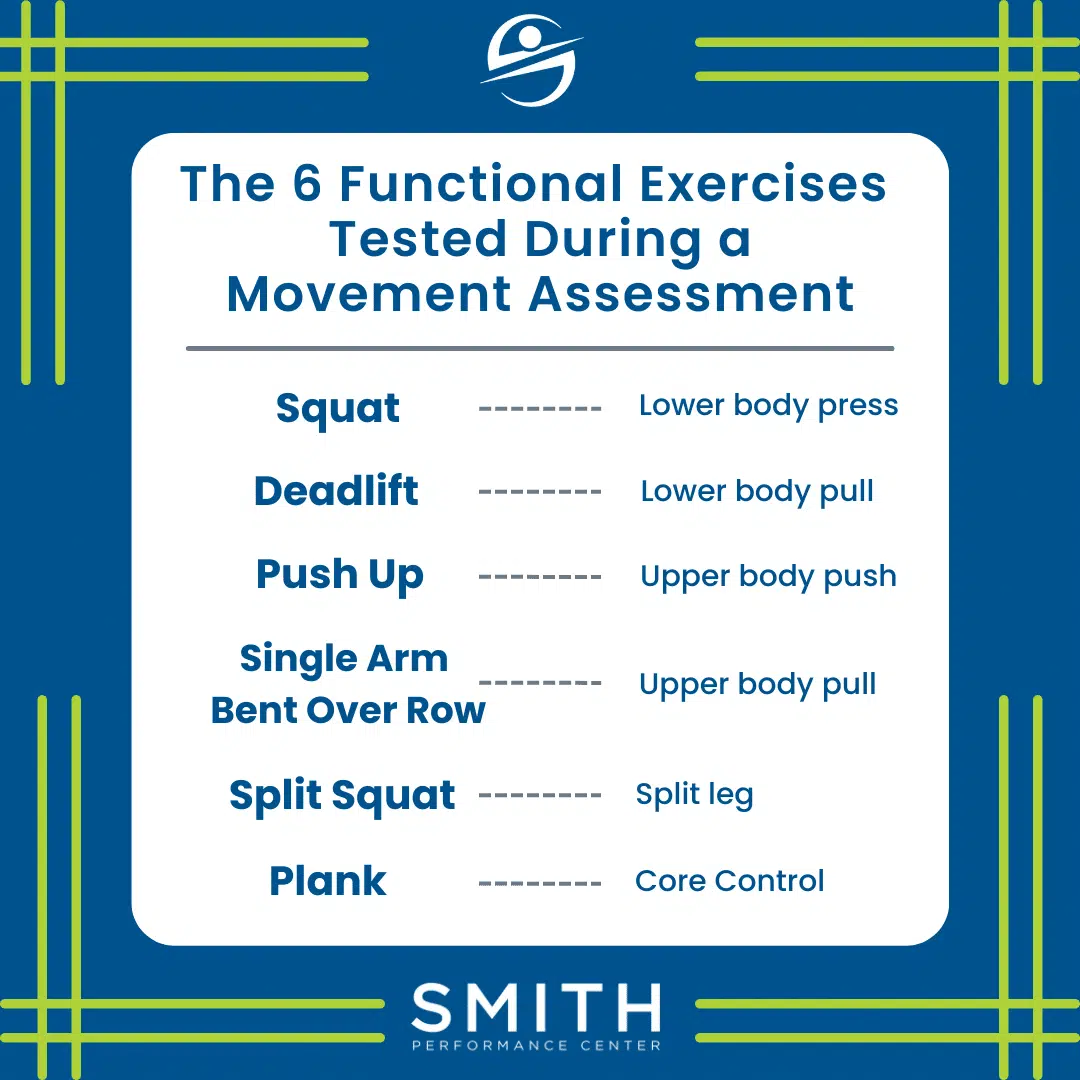
The 6 Functional Exercises Tested During a Movement Assessment

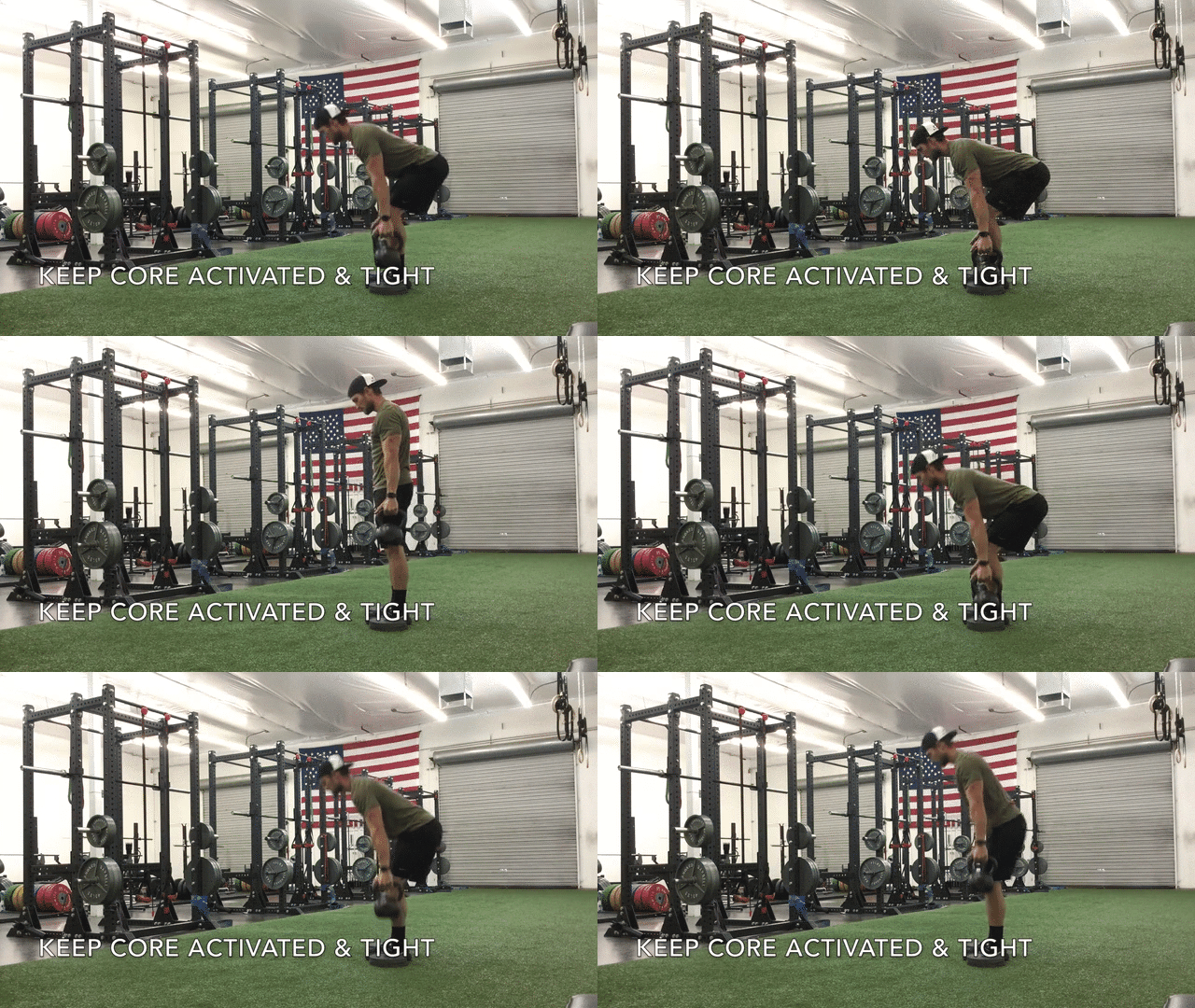
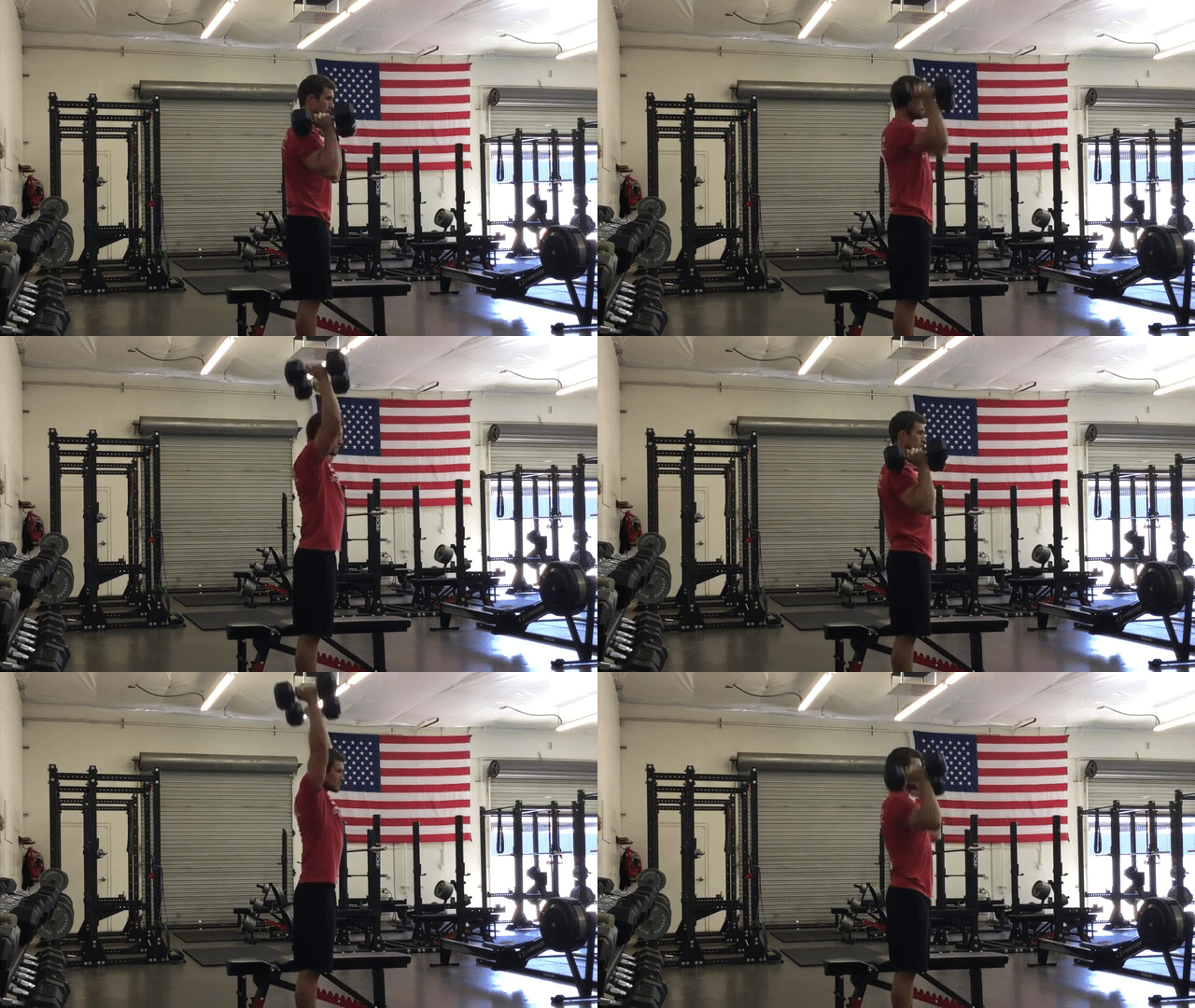
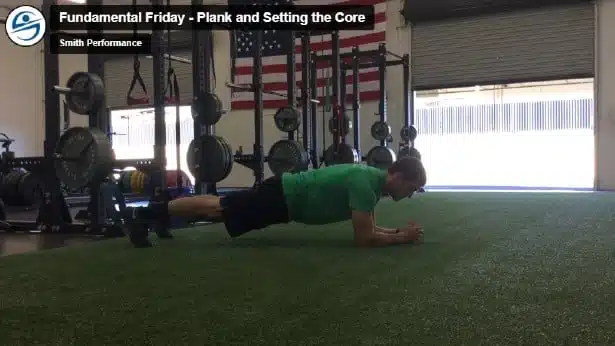
A mistake in exercise programming that our team encounters is a heavy emphasis on variety in exercise, instead of movement pattern mastery. Our team does not focus on an endless array of exercises. The focus is on building depth in foundational movement patterns. These patterns make up every movement you perform when lifting. If these foundational movements are missing, advanced exercises will be wasted on poor form. You need to own the basic movements first. During the movement assessment, the 6 foundational movement patterns are assessed with 6 functional exercises from each movement pattern category. The movement assessment is where our strength coaches determine what may cause issues in your program: accountability, rehab standard, location/time, coaching need, and comfort level. The 6 functional exercises help our coaches determine your coaching need, if you have a tissue capacity issue (rehab standard), your comfort level with free weights, and what is the
Read More »

The 8 Reasons All HHP Clients Go Through a Movement Assessment

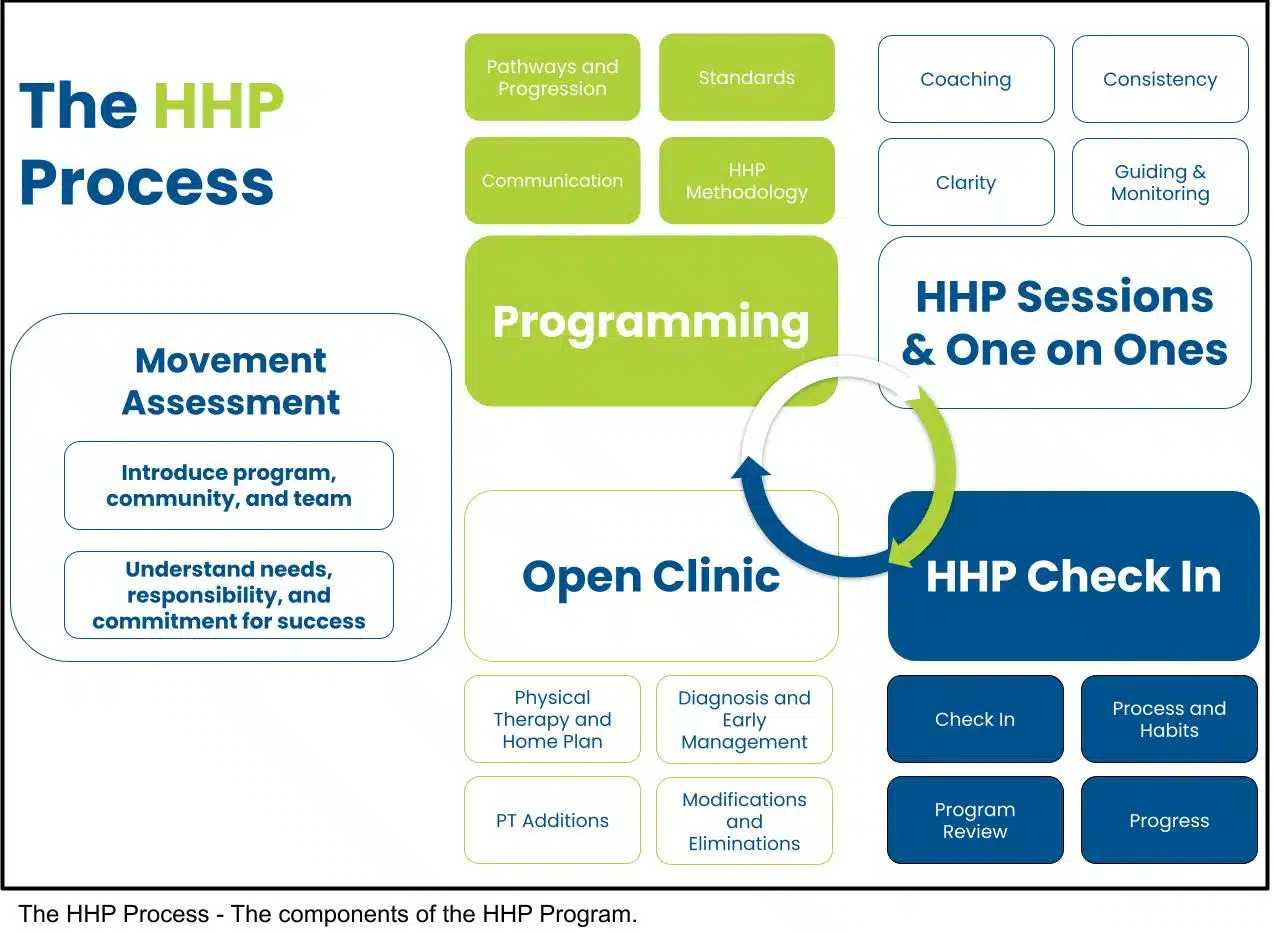
The Smith Performance Center team wants to be the best in the world at helping clients who want to maintain an active lifestyle. If you search the internet, this seems like a simple problem to solve. Just do this exercise or make sure to have protein after a workout. Problem solved.  This has not been our experience.  There is an entire area of research devoted to what behaviors keep people moving and what makes them stop. Keeping people active is not simple and there are numerous reasons why a person will stop. The purpose of the movement assessment is to figure out issues that will stop you from moving. There are clues in your history, how you move, how you hurt, and how you think that will help guide us. Here are the 8 reasons we do the movement assessment: Figure out what may lead to failure Determine the right

Read More »
Injury screening process explained

The Dynamic Recursive Model of Long Term Development: A key principle in our strength training and physical therapy methodology

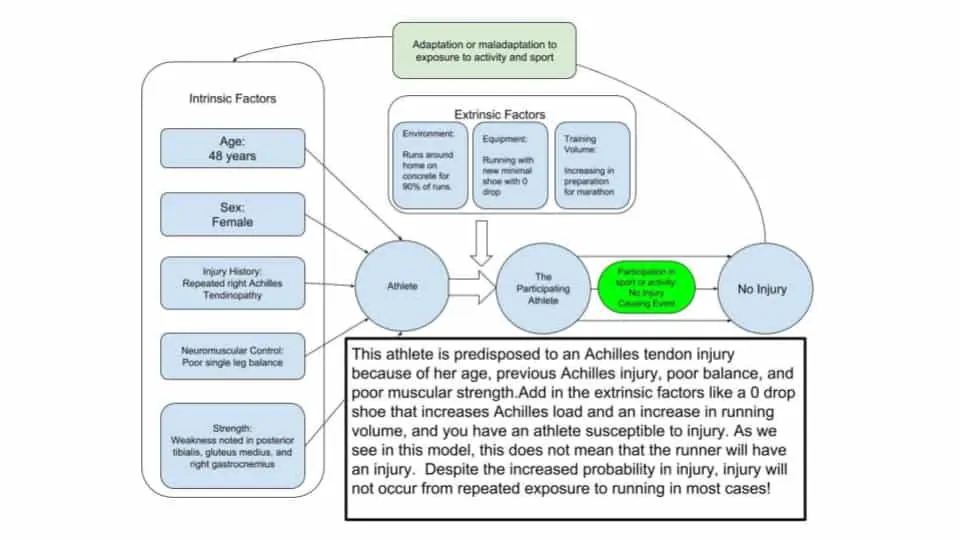
Why Do We Focus on Long-Term Development in Strength Training? Activity brings benefits and risks. Every step, competition, or practice is an exposure that impacts the body. The questions – how do I get better and how do I stay healthy – are part of a dynamic and constantly changing system (Figure 1). We can model that system to show how the activity, like running or playing football, impacts your next exposure. The Basics If you are a runner, you need to run. If you want to get stronger, you need to lift. If you want to be a great triathlete, you need to swim, bike, and run. If you want to shoot well during a basketball game, you have to shoot over and over. ​ You get the picture (maybe).  There are no prodigies (Ericsson 2004). Reaching your potential requires effort and time. However the very activity you participate

Read More »
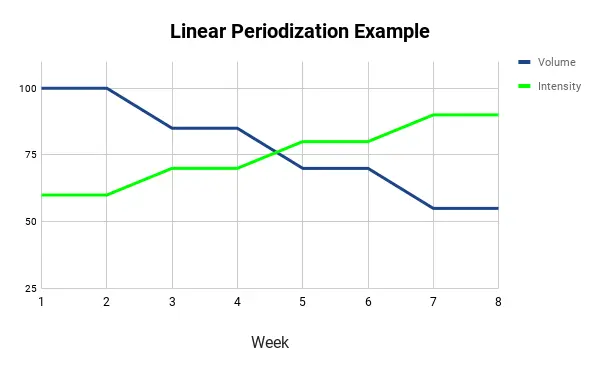
Linear Periodization

The Principle of Progression in Strength Training

Progressive overload in strength training is the principle that your body must face gradually increasing stress to continue building strength and capacity. Milo of Croton, a wrestling, bull-carrying, 20 pounds of meat-eating, 10 liters of wine-drinking man from Greece, is the definition of progression. Most people know the story of Milo, even if they don’t know his name. Milo carried a bull around on his shoulders. Chuze and LA Fitness were not around in ancient Greece so the Greeks created their own strength training methods. Milo intuited the importance of planned, progressive training. As a boy, he picked up a young calf and carried it around on his shoulders (because, why not?). The next day, he carried the calf again, and again the next day, and the next, and continued for FOUR years. The calf grew into a massive bull; Milo grew as well (#gainz). The daily training allowed Milo

Read More »