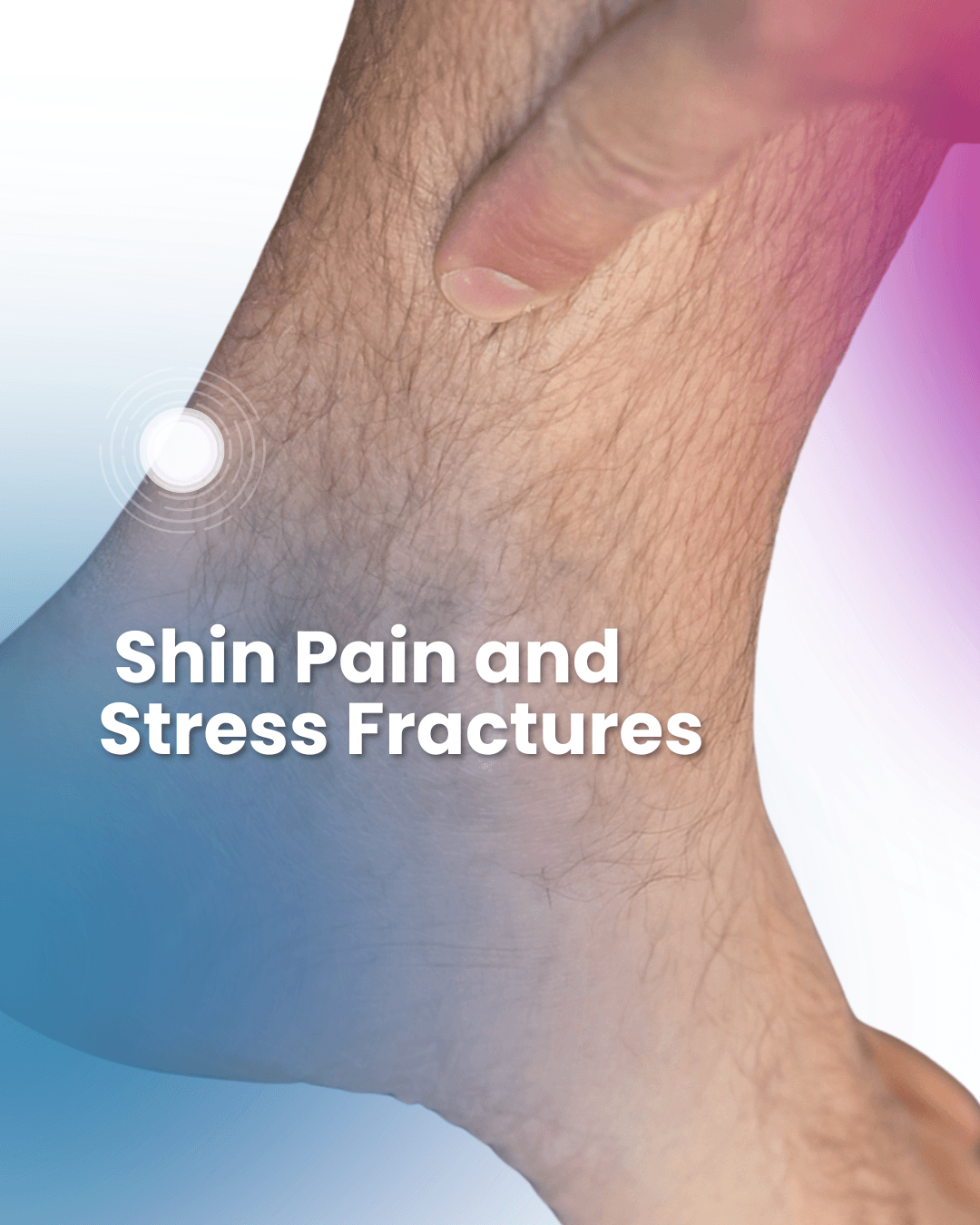
Why Runners Keep Getting Shin Pain and Stress Fractures
Shin pain from running often returns when physical capacity rises faster than tissue and energy capacity. This mismatch drives shin splints and stress fractures.

Shin pain from running often returns when physical capacity rises faster than tissue and energy capacity. This mismatch drives shin splints and stress fractures.
Why does one thing finally start to feel better… and then something else decides to hurt?
It can feel like you’re chasing injuries. Like you calm one fire down and another pops up.
Is that bad rehab? Or is that actually how complex systems work?
In this episode of Past Your Prime, Craig introduces the concept of Layered Pathology, the idea that injuries build in layers, and when one layer improves, the next one becomes visible.

Are deadlifts, squats, and upright rows really bad for you? We break down the biggest exercise myths and explain when controversial exercises help or hurt on this episode of Past Your Prime.
Why injuries keep coming back after the first one. Learn how tissue capacity, compensation, and the therapeutic gap lead to recurrent injury.
In this episode, Craig and Alex break down why the “tight hamstrings” story is rarely about short muscles—and almost never fixed by stretching. They reveal 15 distinct causes behind hamstring tightness, ranging from neural tension and movement patterning to fatigue, instability, and misfiring glutes.
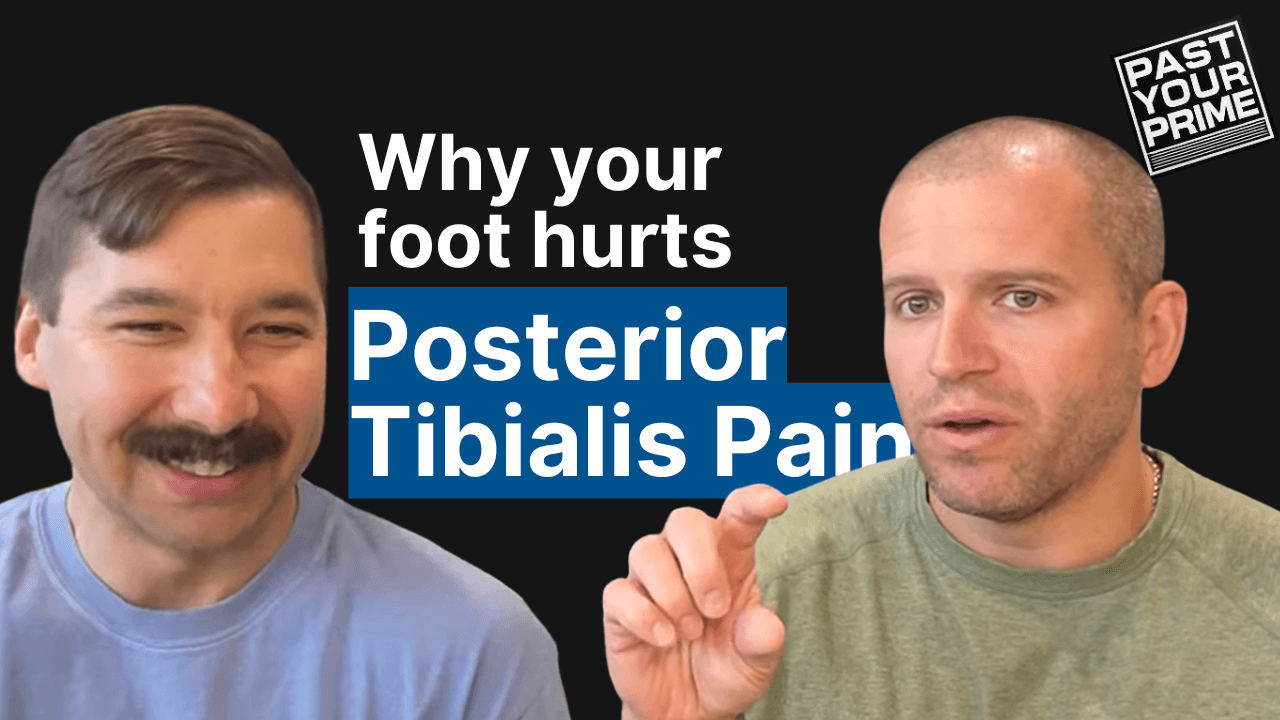
Posterior tibialis pain podcast episode breaking down why medial ankle and foot pain often persists even after orthotics, stretching, or rest, and how to correctly diagnose and manage posterior tibialis injuries.
You’re Doing the Work—So Why Does Your Body Keep Breaking Down? You show up. You put in the effort. Whether it’s running, lifting, group fitness, or weekend hikes, you’re trying to stay active. But despite the commitment, you keep dealing with recurring injury from exercise. Pain shows up, progress stalls, and your body feels more unpredictable than it should. This isn’t about motivation. It’s about biology.The real issue is a mismatch between what you can make yourself do and what your body is built to tolerate. At Smith Performance Center, we call that gap the difference between exercise capacity and tissue capacity the rehab standard and it’s one of the most overlooked problems in rehab and training. What Is Exercise Capacity? Exercise capacity is your ability to push through effort and accumulate work over time. It’s what most people think of as “fitness.” It includes: Exercise capacity reflects what you’re
Recurring injuries derailed Alex’s triathlon training for years—until he adopted a structured, phase-based rehab approach. This case study shows how the Smith Performance Center Phase System helped him move from chronic pain to consistent performance by focusing on what most athletes overlook: building tissue capacity to match training demands.
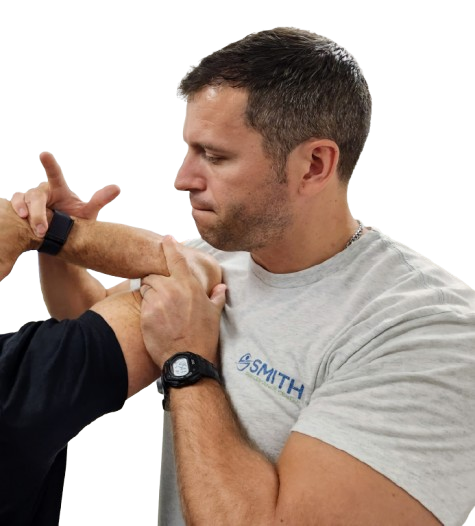
The Evolution of Thought Around Meniscus Injuries Clinical practice is filled with successes and failures. For some reason, failures tend to linger in memory the longest and often drive the biggest changes in how we approach patient care. A significant moment in my clinical career involved a meniscus tear, knee pain, and the need for surgery. One of the most impactful shifts in my approach to knee pain, particularly in cases involving meniscus tears, came from a repeated clinical pattern: patients improving, then regressing, over and over. This frustrating cycle forced me to rethink my process and align it with a more structured framework—one that incorporates the Smith Performance Center Phases. This helped me answer the question, “Does a meniscus tear require surgery, or can it be successfully rehabbed without going under the knife?” The Traditional View: Meniscus Surgery vs. Rehab For years, meniscus tears were considered a primary cause
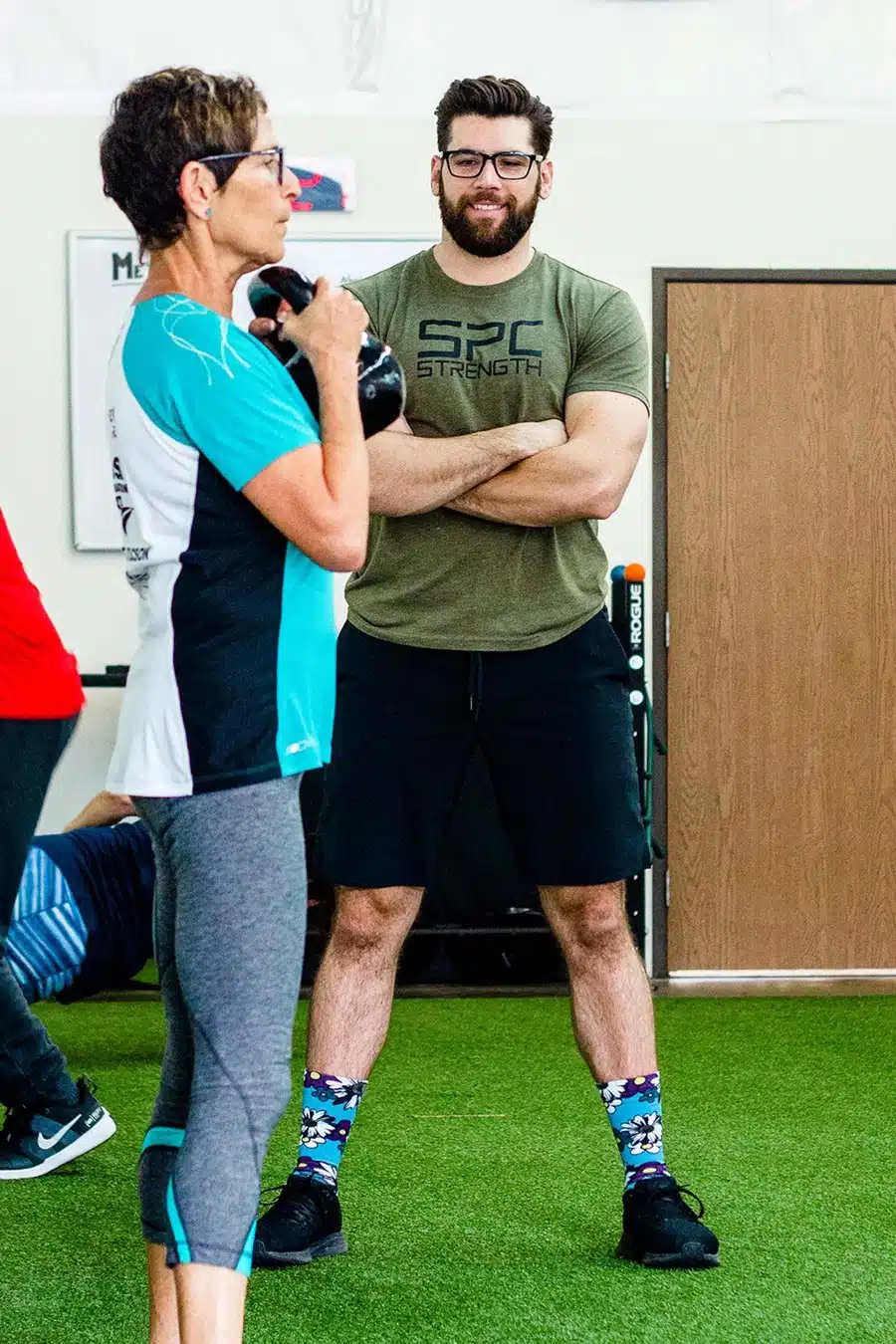
Confidence is even more important than strength. People come in with doubt and fear of pain. If they don’t believe they can move safely, they won’t move at all. My job is to assess not just their movement, but also their psychological acceptance of movement. The best exercise is the one you can do, so we start small, monitor the response, and slowly build from there
