Welcome to the

SPC Archives

Find related articles and learn more about our process at SPC.

Search

Tag: pain

Physical Therapy Tucson

Physical Therapy Solutions for Shoulder Pain

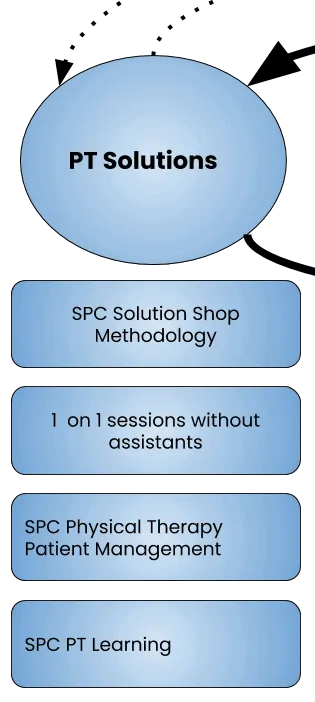
Why should I go to Physical Therapy Solutions at Smith Performance Center for my shoulder injury instead of another clinic? Physical therapy at Smith Performance Center is not a cookie cutter, one size fits all type of operation. Depending on what problem you have, the ‘right’ service might be different. Our process, called the SPC Difference, uses physical therapy in 3 distinct services: PT Solutions – One on One Physical Therapy Sessions using SPC Methodology PT Movement – Group Physical Therapy Sessions using Task Based Protocol for recurrent, chronic, or post surgical injuries Health and Human Performance – Long term strength and movement programming your own coach including injury surveillance, early injury detection, and treatment integration Physical Therapy Solutions  The shoulder is the most mobile joint in the body, and is relied on heavily during daily activities. It has many different structures which can cause pain, and it can be
Read More »

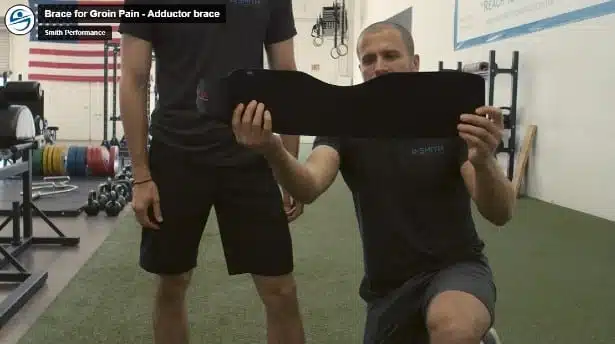
Bracing for Groin Pain

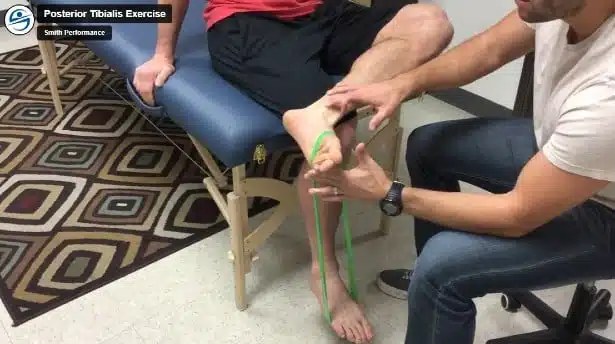
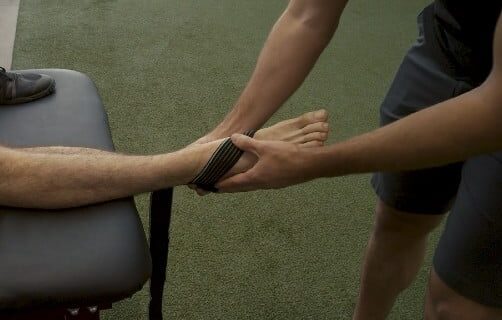
A useful brace to compress and reduce pain in the adductor muscles   Bracing, Taping, and Training Aids Home Page Bracing, Taping, and Training Aids   Bracing for poor hip control The SERF Strap   Bracing for foot and lower limb control The Post Tib Brace   Taping for the Foot Modified Low Dye  

Read More »

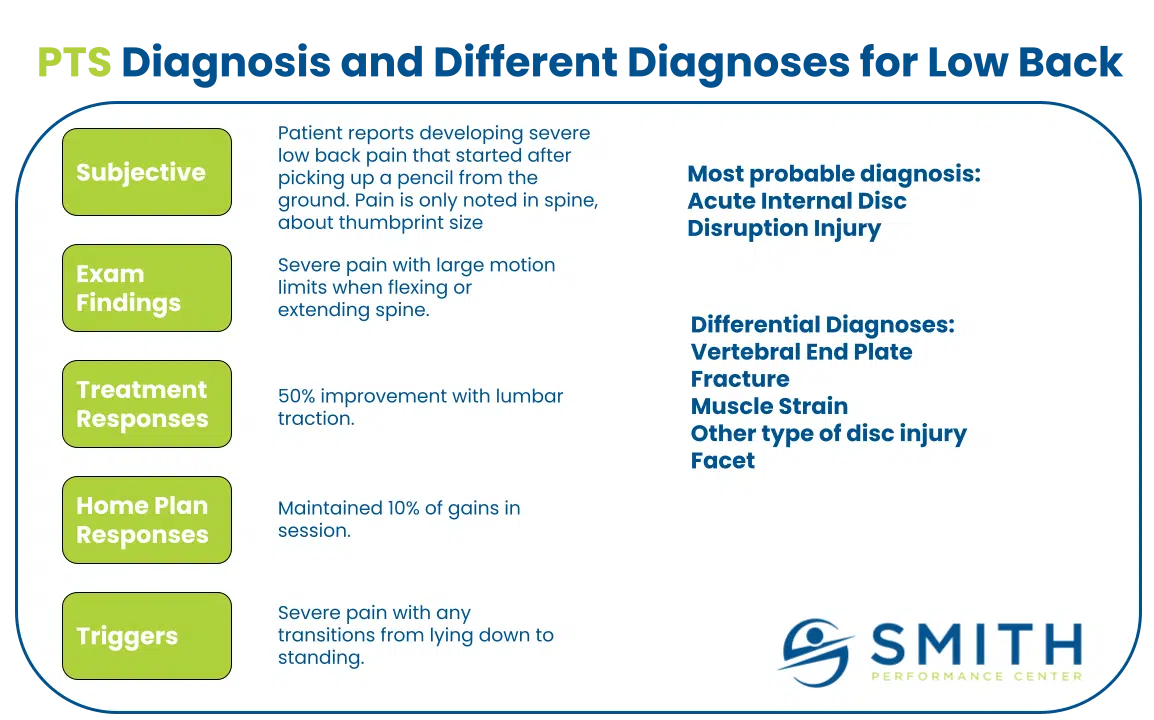
Steps To Develop A Diagnosis In Physical Therapy

“My butt hurts.” A significant proportion of my conversations start with this statement. She continued, “ I have regular active release along with dry needling. I stretch my hamstring ALL THE TIME and I still have pain.” Her frustration was palpable. “I know I have a tight hamstring and there is scar tissue.  But it’s been 8 months.” She assumes the pain must be the hamstring; we call this the pain generator.  The hamstring tendon attaches right where her pain starts. The tightness is over the hamstring muscle belly.  She describes the pain in a clear way that implicates the hamstring.   She made a convincing argument that the hamstring is the issue and the diagnosis has been repeated by multiple medical providers including a physician and two physical therapists. The location matched.  Running increased the pain. Another match. Stretching and manual therapy provided temporary relief. But 8 months into the

Read More »
Smith Performance Center Tucson

Knee Pain Meniscus Degeneration and Clinical Experience

  How do you manage knee pain with a meniscus tear?   Meniscectomy, sham surgery, and clinical experience avoiding surgery for pain and function Clinical practice is filled with successes and failures. For some reason, the failures are the thing you remember most and for me, lead to the biggest changes in practice.  The patient that never feels better will never quite leave your mind even when you go home from work.  Knee pain and Meniscus Tear – Round 1 Since my main interest has always been the lower extremity, specifically the foot, ankle, and knee pathomechanics and pathology, I wanted to be the best at rehabbing these injuries right off the bat. My failure with a patient suffering from chronic knee pain led me to the literature surrounding meniscal surgery. The patient reported sharp pain with occasionally catching in the knee joint. The joint had mild joint effusion and

Read More »
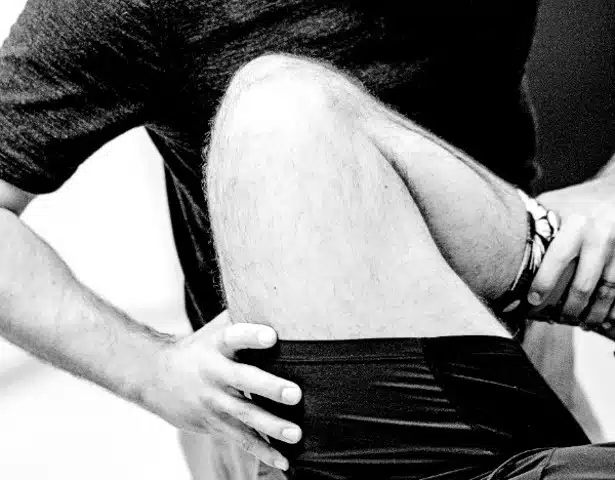
Craig Smith, PT, DPT, conducts a knee exam at Smith Performance Center, demonstrating expert physical therapy techniques in knee pain assessment, rehabilitation, and injury recovery while flexing his arm in a lighthearted moment.

Knee Pain and Physical Therapy: A Structured Approach to Recovery

  Updated by Craig Smith February 22, 2025 Understanding Knee Pain: Why Won’t It Go Away? Knee pain is a common and persistent problem that affects daily life. Whether you’re avoiding stairs, switching from running to biking, or waiting for a knee replacement, chronic knee pain can disrupt your routine. And it is more complicated than we often admit or see online. At Smith Performance Center, we believe that effective knee pain treatment requires more than just exercises or quick fixes—it needs a structured plan. This is where our SPC Phases come into play. Our phase-based system ensures that each step of rehab is intentional, guiding patients from pain relief to long-term performance. This article explores why knee pain occurs, how physical therapy should address it, and what steps you can take to regain control over your movement. Why Is Knee Pain So Common? The knee may seem like a

Read More »
Smith Performance Center Tucson

Imaging & Pain

In the clinic, we get a lot of questions about pain because it is the main reason people walk through the door.  Today I am going to go through a brief review of pain and imaging. Imaging refers to radiographs (x-rays), MRIs, and CT scans. These are typically used to help a medical provider determine what is causing the pain and the best intervention to resolve the problem.   What do we know?  Numerous imaging studies ranging from the knee to the low back show that the level of pathology cannot predict a person’s pain experience.  We cannot predict pain, the level of disability, or long-term activity based on an image.  Individuals with chronic low back pain have been compared to those with no back pain.  The findings on the imaging do not show consistent differences between these two samples.  For example, a woman with nasty, limiting pain may show

Read More »
Knee injury

Factors to Consider After Knee Injury

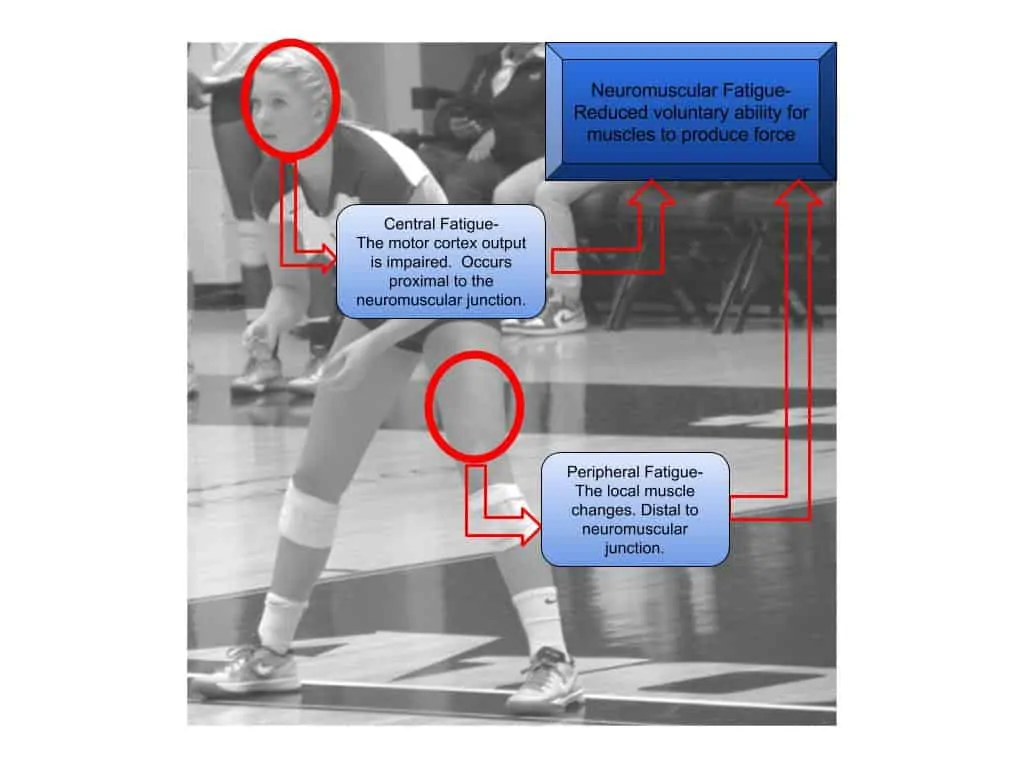
Returning to Activity, Physical Therapy, and Neuromuscular Fatigue   Neuromuscular fatigue has been implicated as a significant problem for individuals returning to sport following an anterior cruciate ligament (ACL) injury and reconstruction.  Due to the high rate of re-injury in those that have had an ACL reconstruction, one hypothesis is that neuromuscular fatigue will negatively impact strength performance, postural stability (single leg balance), and biomechanics during jumping and landing.  It blows my mind that a female athlete with an ACL tear is 16 times more likely than a healthy female athlete to tear an ACL again. The interplay between a previous injury, the resulting changes to the input to the brain, modified motor planning, and re-injury is an interesting development in research.  Today I wanted to dive a little more into fatigue, its impact on biomechanics, and how physical therapy and strength training can start to augment the problem. There

Read More »