Welcome to the

SPC Archives

Find related articles and learn more about our process at SPC.

Search

Tag: strength training

The 8 Reasons All HHP Clients Go Through a Movement Assessment

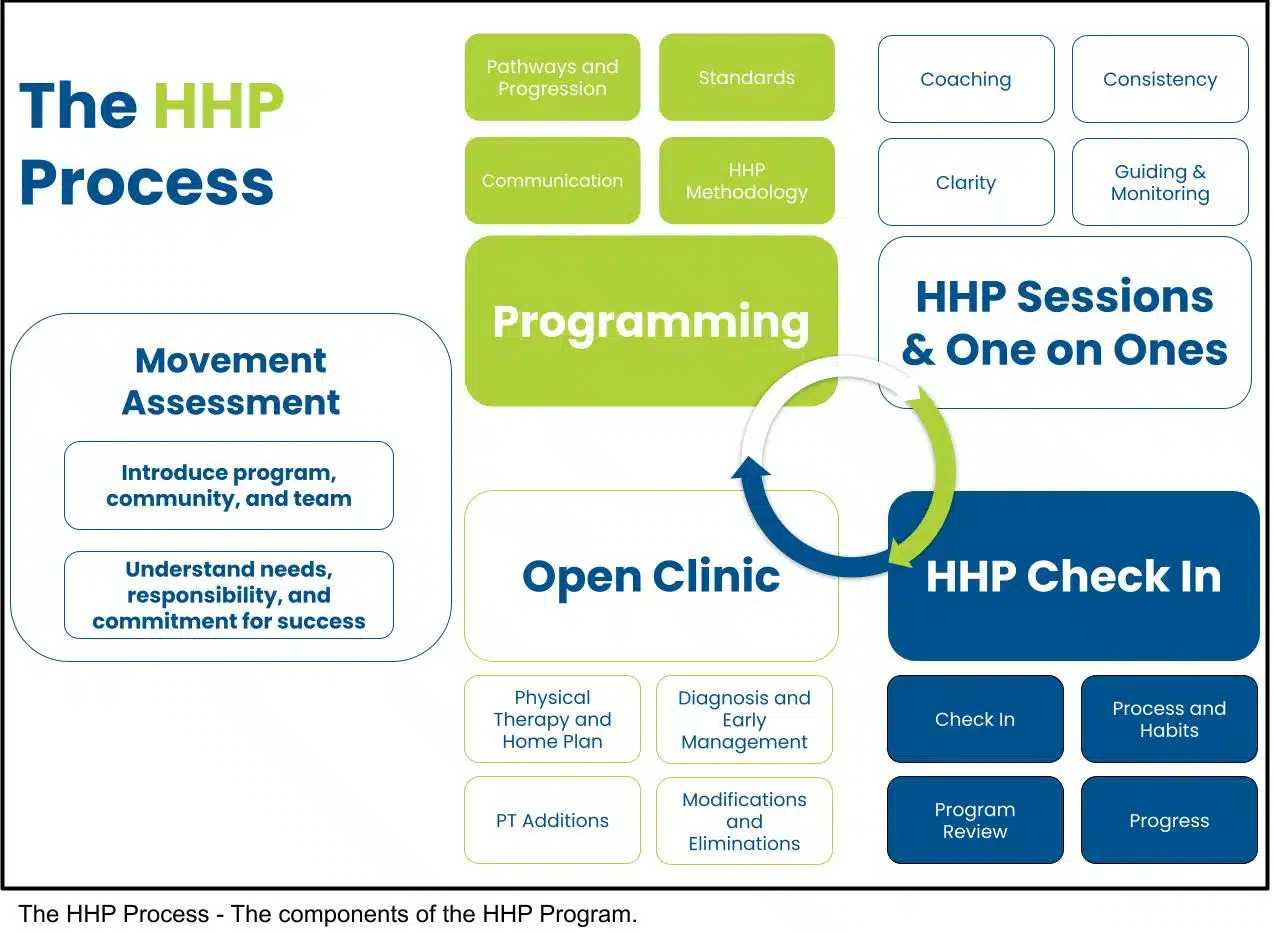
The Smith Performance Center team wants to be the best in the world at helping clients who want to maintain an active lifestyle. If you search the internet, this seems like a simple problem to solve. Just do this exercise or make sure to have protein after a workout. Problem solved.  This has not been our experience.  There is an entire area of research devoted to what behaviors keep people moving and what makes them stop. Keeping people active is not simple and there are numerous reasons why a person will stop. The purpose of the movement assessment is to figure out issues that will stop you from moving. There are clues in your history, how you move, how you hurt, and how you think that will help guide us. Here are the 8 reasons we do the movement assessment: Figure out what may lead to failure Determine the right
Read More »
Linear Periodization

The Principle of Progression in Strength Training

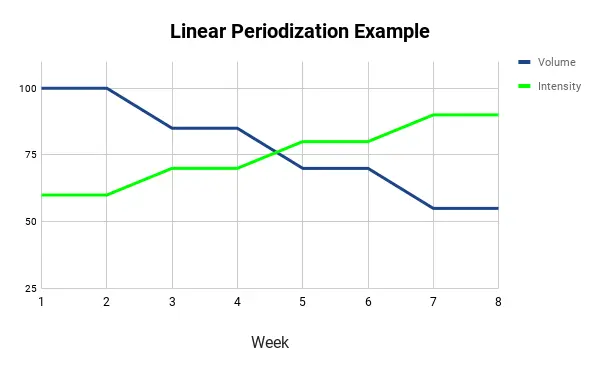
Progressive overload in strength training is the principle that your body must face gradually increasing stress to continue building strength and capacity. Milo of Croton, a wrestling, bull-carrying, 20 pounds of meat-eating, 10 liters of wine-drinking man from Greece, is the definition of progression. Most people know the story of Milo, even if they don’t know his name. Milo carried a bull around on his shoulders. Chuze and LA Fitness were not around in ancient Greece so the Greeks created their own strength training methods. Milo intuited the importance of planned, progressive training. As a boy, he picked up a young calf and carried it around on his shoulders (because, why not?). The next day, he carried the calf again, and again the next day, and the next, and continued for FOUR years. The calf grew into a massive bull; Milo grew as well (#gainz). The daily training allowed Milo

Read More »
Five keys to strength training for triathletes: build energy, tissue, and physical capacity; use foundational movements; and monitor recovery.

Strength Training for Triathletes: How to Build Capacity Without Derailing Your Training

Strength training for triathletes should improve performance without overwhelming recovery or interfering with swimming, cycling, and running. An effective program accounts for physical, tissue, and energy capacity while addressing injury history and limiting movement adaptations. Learn how to build a practical strength program that fits your training and supports long-term participation in the sport.

Read More »